How to Curl Short Hair (Bob & Pixie)
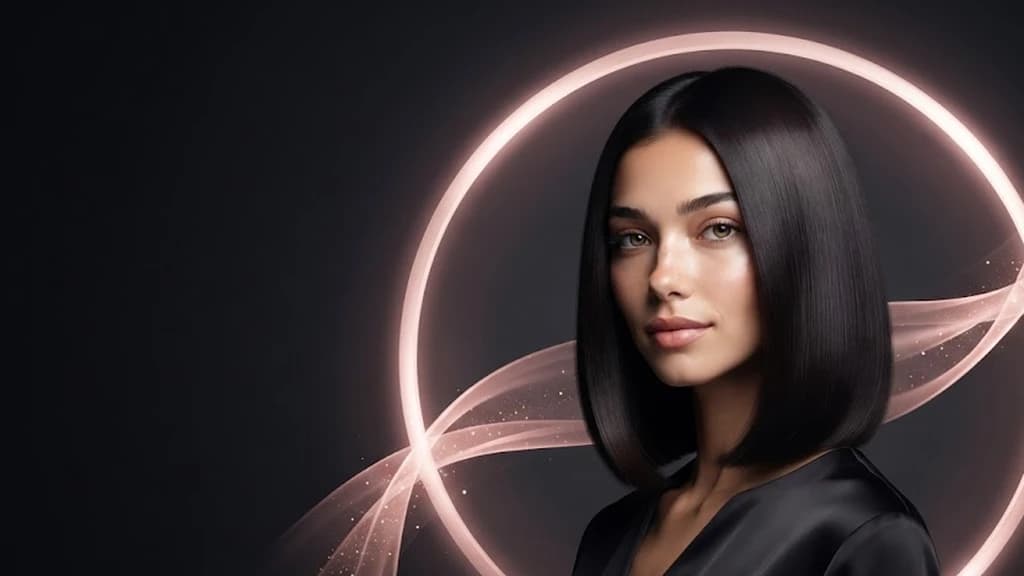
The short answer
To curl short hair, use a smaller barrel — a 3/4 to 1 inch curling iron or a flat iron — and work in small sections. On a bob, curl away from the face and leave the ends out for a modern bend; on a pixie, focus on the top and crown for texture. Set the curl with a cool blast and a light hairspray so it holds without going stiff.
Short hair holds a curl beautifully — you just need a smaller tool and smaller sections than you would on long hair. Whether you're softening a blunt bob into loose waves or adding lived-in texture to a pixie, the technique is quick once you know where to place the heat and how to set it.
Here's exactly how to curl a bob and a pixie, which tools to reach for, and how the two approaches differ.
What you'll need for short hair
The single biggest mistake with short hair is using too big a barrel. A large iron simply can't grab a short section, so the curl slides off the end and falls flat.
- A smaller iron. A 3/4-inch to 1-inch curling iron or wand suits most short hair. Go smaller for a pixie, slightly larger for a bob.
- A flat iron. Often the easiest tool of all for short lengths — you'll use it to bend rather than fully coil.
- Heat protectant. Non-negotiable before any hot tool touches your hair.
- Clips and a flexible-hold hairspray to section cleanly and set the finished shape.
Stylist tip: always start on fully dry hair. Damp short hair won't take a lasting curl, and it puts your strands under far more stress from the heat.
How to curl a bob
A bob is the most rewarding short cut to curl because there's enough length to create real movement. The look you want is usually a soft, modern bend — not tight ringlets.
Step by step
- Prep and section. Mist heat protectant through dry hair, then split it into a lower and upper layer, clipping the top out of the way.
- Curl away from the face. Take a 1-to-2-inch section, clamp the iron mid-shaft, and wrap the hair back and away from your face. This opens up your features instead of closing them in.
- Leave the ends out. On short hair, curling all the way to the tip looks dated. Stop an inch or so from the ends for that lived-in bend.
- Alternate directions. Curl one section back, the next forward, and so on. Mixed directions read natural; every-piece-the-same reads styled.
- Cool and set. Let each curl drop into your palm and cool before you move on, then finish with a light hairspray and shake it out with your fingers.
For a bob, a flat iron works just as well: clamp near the root, twist a half-turn, and glide down slowly. That single motion gives a beachy S-bend with almost no effort.
How to curl a pixie
A pixie isn't about curls so much as texture and direction. You're adding a little bend and lift, mostly through the longer pieces on top, to break up the shape and stop it lying flat.
Where to focus
- The crown and top. This is where a pixie has length to play with. A few small bends here add height and movement.
- The fringe or front pieces. Sweep and bend these to frame your face.
- The sides and back stay simple. A quick pass with a flat iron to add shape is plenty; you don't want ringlets at the nape.
Use a small barrel or a flat iron, add a light bend rather than a full rotation, then rough everything up with your fingertips and a little texture paste. The goal is piecey and undone, never uniform.
Bob vs pixie: curling at a glance
| Bob | Pixie | |
|---|---|---|
| Best tool | 1-inch iron or flat iron | 3/4-inch iron or flat iron |
| Section size | 1–2 inches | Small, 1 inch or less |
| Goal | Soft waves, movement | Texture, lift, direction |
| Where to work | All over, mid-lengths to near-ends | Crown, top and fringe |
| Finish | Ends left out, alternating directions | Piecey, broken up with fingers |
Can you curl short hair without heat?
Yes — short hair actually responds well to heatless methods because the sections are small. Twist damp (not soaking) hair into flat pinned pin-curls or small two-strand twists before bed, let them dry fully overnight, then unravel and separate in the morning. Flexi-rods and small foam rollers work well on a bob too. The waves are softer than a hot tool's, but they're kind to fine or fragile hair.
See the curled look on your own photo first
Not sure whether soft waves or a textured pixie suits you? You can preview a bob or pixie on your own face before you pick up an iron — or before your next salon visit. Upload a selfie and try the look on your own photo: your face stays exactly the same, only the haircut transforms, so you can see the shape and decide with confidence. It takes seconds, and it turns "I wonder if this would suit me" into a clear yes.
See it on your own face
Upload a selfie and preview the bob in seconds — your face stays unchanged.
Frequently asked questions
What size curling iron is best for short hair?
A 3/4-inch to 1-inch barrel is ideal for short hair. Smaller barrels create tighter, springier curls that suit a pixie or a very short bob, while a 1-inch iron gives soft, modern waves on a chin-to-collarbone bob without looking overdone.
Can I curl a bob with a flat iron?
Yes — a flat iron is one of the easiest tools for a bob. Clamp near the root, rotate the iron a half-turn, and glide down slowly to leave a soft bend. It gives a lived-in wave that's more forgiving than a curling barrel on short lengths.
How do I curl a pixie cut without it looking too much?
Focus on the longer pieces on top and at the crown, and only add a light bend rather than a full curl. Use a small iron or a flat iron on the front sections, then break the shape up with your fingers so it reads as texture, not ringlets.
How do I make curls last in short hair?
Start on dry hair with a heat protectant, let each curl cool completely in your hand before releasing it, then finish with a flexible-hold hairspray. Cooling is what sets the shape — releasing a hot curl straight away is why it drops.
Preview these on your photo
Keep reading
Short Haircuts AI previews are AI-generated illustrations to help you decide. Real salon results depend on your hair and your stylist. See our AI Disclaimer.