How to Find Your Face Shape in 2 Minutes
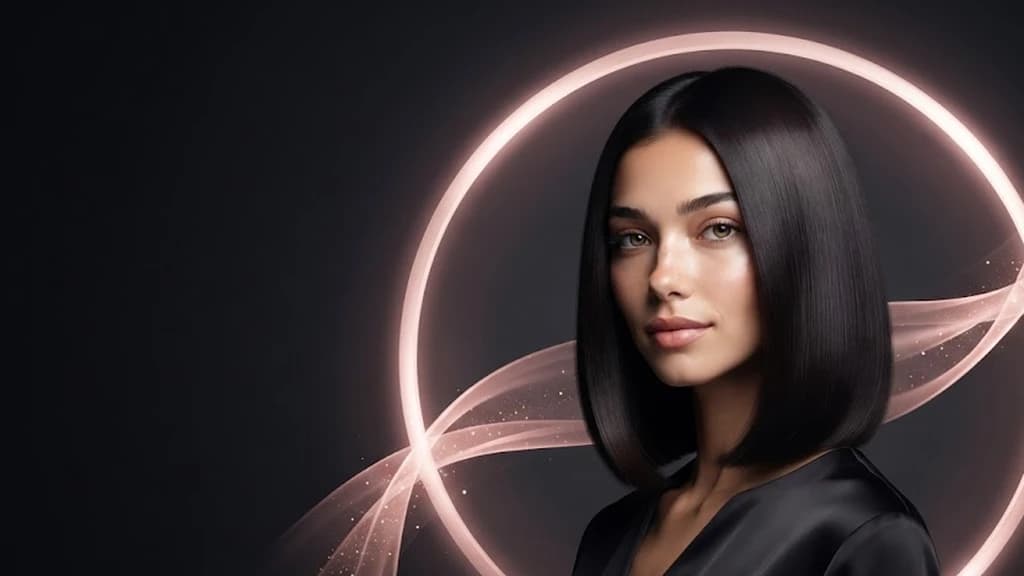
The short answer
To find your face shape in 2 minutes, pull your hair back and measure four things in a mirror: forehead width, cheekbone width, jaw width and face length. Then notice your jaw's shape. Whichever measurement is widest — and whether your jaw is soft, angular or pointed — tells you if you're oval, round, square, heart or long. That answer is the fastest shortcut to a short haircut that genuinely suits you.
Wondering "what is my face shape" every time you save a haircut you love? You're not alone, and the good news is you don't need an app or a professional. With a mirror, a ruler and about two minutes, you can place yourself with confidence — and unlock which short cuts will flatter you most.
Here's the exact method stylists use, step by step, plus what each result means for your next short haircut.
The 2-minute method: measure four things
The whole trick is comparing four measurements and reading your jawline. Pull your hair straight back off your face, stand square to a well-lit mirror, and grab a soft tape measure or a ruler.
Measure these four, and jot them down:
- Forehead width — across the widest part, roughly between your temples.
- Cheekbone width — from the pointiest part of one cheekbone straight across to the other.
- Jawline width — from the angle of one side of your jaw to the other.
- Face length — from the centre of your hairline down to the tip of your chin.
Stylist tip: don't overthink the exact centimetres. What matters is which number is biggest and how they compare. A rough eyeball in the mirror gets most people to the right answer.
How to read your numbers
Once you have four widths, the pattern between them names your shape. Notice both the widest measurement and the shape of your jaw — soft and rounded, sharp and angular, or narrow and pointed.
Here's the quick key:
| Your pattern | Likely face shape |
|---|---|
| Length clearly greater than width; measurements fairly even | Oval |
| Length and width similar; soft, rounded jaw | Round |
| Length and width similar; strong, angular jaw | Square |
| Forehead widest; narrow, pointed chin | Heart |
| Face noticeably longer than wide; straight sides | Long (oblong) |
If you land between two, you're in good company — most faces are a blend. Let your two widest measurements decide, and use your jawline as the tiebreaker.
What each face shape means for short hair
Your shape is a shortcut to the right length, layers and parting. Here's the honest, stylist-level version for each.
Oval
Oval faces are balanced, with the forehead slightly wider than the jaw and gentle curves throughout. The upside: almost any short cut works. A blunt bob, a textured pixie, a shag — you have the widest menu. Choose based on your hair texture and lifestyle rather than "correcting" anything.
Round
Round faces are about as wide as they are long, with full cheeks and a soft jaw. The flattering move is vertical length: a longer bob past the chin, a pixie with height on top, side parts and curtain bangs. Skip blunt chin-length shapes with a centre part, which echo the width.
Square
Square faces have a strong, angular jaw and a fairly even forehead-to-jaw width. Soft, movement-heavy cuts balance those clean angles beautifully. Think a wispy pixie, a layered bob with texture at the ends, or side-swept bangs. Very blunt, geometric lines can emphasise the jaw.
Heart
Heart faces have a wider forehead tapering to a narrow, pointed chin. The goal is to add a little weight and width near the jaw to balance the top. A chin-length bob, a bob with layers that flare below the ears, or a side-parted pixie all flatter. Curtain bangs soften a broader forehead.
Long (oblong)
Long faces are noticeably taller than they are wide. Here you want to avoid extra height and add width instead. A chin-to-collarbone bob with soft waves, a fringe to shorten the face visually, and layers around the cheeks all work. Steer clear of tall, spiky crowns.
Quick habits that make measuring easier
A few small things sharpen your read:
- Good, even lighting removes shadows that hide your true jaw shape.
- Hair fully back so it doesn't blur your hairline or cheekbones.
- Take a straight-on photo too — seeing yourself flat, without the mirror flip, often makes the widest point obvious.
Remember, face-shape categories are guidelines, not verdicts. They point you toward flattering proportions; they don't lock you out of a cut you love.
See the cut on your own face first
Here's the part no measurement can settle: how a specific short haircut looks on your features. Rules narrow the field, but your eyes make the final call.
So once you know your shape, preview the look on your own photo. Upload a selfie, pick a bob, pixie, bixie or shag, and compare the proportions side by side. Your face stays exactly as it is; only the haircut transforms. It's the fastest way to turn "I think this suits me" into "I know it does."
See it on your own face
Upload a selfie and preview the bob in seconds — your face stays unchanged.
Frequently asked questions
How do I find my face shape quickly?
Pull your hair back, face a mirror, and compare four widths: forehead, cheekbones, jaw and total face length. The widest measurement plus your jawline shape reveals your face shape in about two minutes — no photo editing or apps required.
What's the easiest way to measure my face shape at home?
Use a soft tape measure or a ruler against a mirror. Record forehead width, cheekbone width, jaw width and face length. Then note whether your jaw is rounded, angular or pointed. Those five details are all you need to place yourself.
What if I'm between two face shapes?
That's very common — most faces are a blend. Go with the shape your two widest measurements point to, and lean on your jawline as the tiebreaker. When in doubt, oval and round guidelines flatter the widest range of people.
Does my face shape really decide which short haircut suits me?
It's a strong starting point, not a rule. Face shape guides length, layers and parting, but hair texture and features matter too. The surest test is to preview a cut on your own photo before you book.
Preview these on your photo
Keep reading
Short Haircuts AI previews are AI-generated illustrations to help you decide. Real salon results depend on your hair and your stylist. See our AI Disclaimer.