The Best Short Haircuts for Straight Hair
The short answer
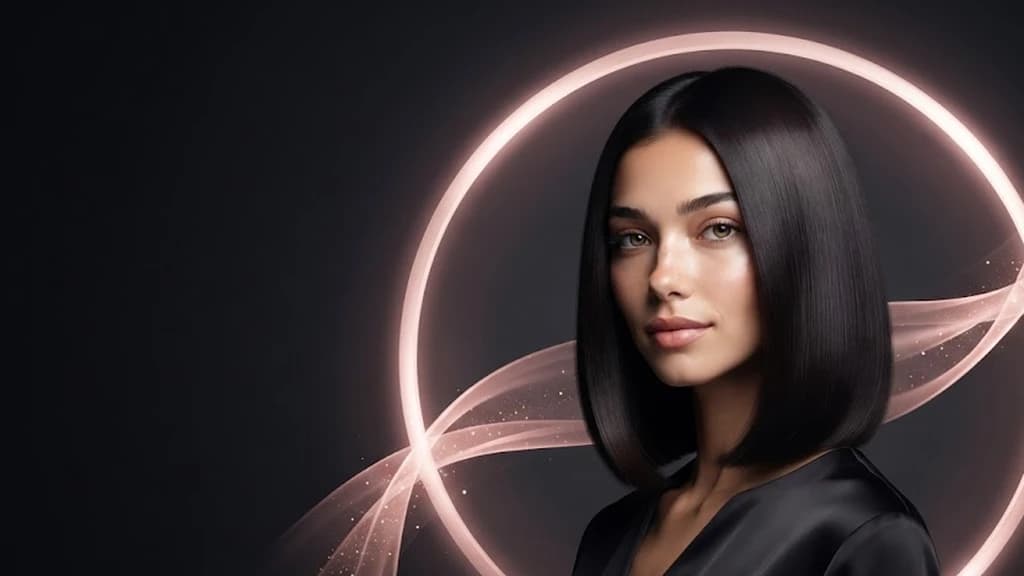
The best short haircuts for straight hair lean into what straight hair does best: crisp, precise lines. A blunt bob or lob shows off that glossy edge, a textured pixie adds the movement straight hair can lack, and a point-cut shag with curtain bangs keeps things from looking flat. Ask for internal texturising rather than heavy thinning, and see each style on your own photo before you commit.
Straight hair has a quiet superpower: it falls into a clean line and catches the light like nothing else. The trick with a short cut is to work with that, using precise shapes and just enough texture so the result looks intentional and full of movement rather than flat.
Here's exactly which short haircuts flatter straight hair, what to ask for at the chair, and how to preview any of them on your own photo before you commit.
What straight hair does best (and where it needs help)
Straight hair's strengths and quirks both come down to the same thing: it shows everything. Every clean line reads crisp and glossy, which is why blunt cuts look so expensive on straight hair. But every disconnected layer or blunt weight-line also shows, so the cut has to be precise.
Two levers do most of the work:
- Precision lines for shine. Straight hair rewards a sharp perimeter — a blunt bob or lob looks polished with almost no effort.
- Internal texture for movement. Because straight strands can fall flat, a little point-cutting or soft layering inside the shape adds the swing and lift they lack on their own.
Keep both in mind and nearly any short style can be tuned to suit you.
The best short haircuts for straight hair
1. The blunt bob or lob
This is the straight-hair signature, and for good reason. A blunt bob cut to a single strong line lets straight hair do what it loves: fall glossy and even, with real density at the ends. It's especially flattering on fine straight hair, where the blunt edge creates the illusion of thickness.
Stylist tip: ask for the perimeter cut "blunt but softened with a little point-cutting on the very ends." You keep the sharp, expensive line while stopping it from looking too heavy or helmet-like.
Wear it chin-length for a classic French look, or drop it to the collarbone for a lob that's easier to tuck and style.
2. A textured pixie
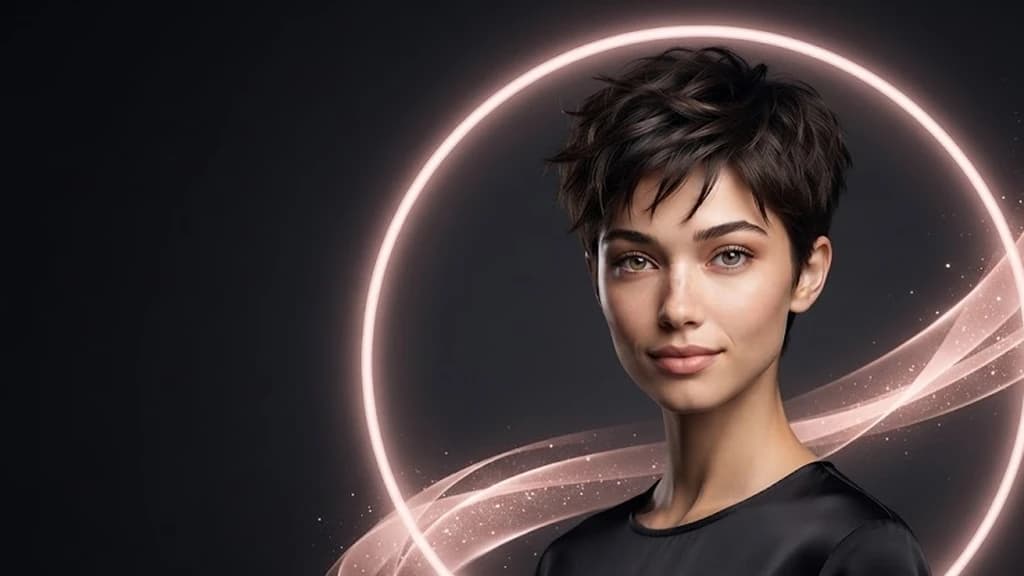
A pixie brings straight hair to life. Because the shape is built from movement, it solves the flatness straight hair can fall into, and the sleek quality means it always looks tidy. Ask for texture through the top and crown with a longer, side-swept fringe so you can style height in.
Straight hair holds a pixie's shape beautifully between cuts — but it does show growth, so plan a trim every four to six weeks to keep the outline crisp.
3. A point-cut short shag
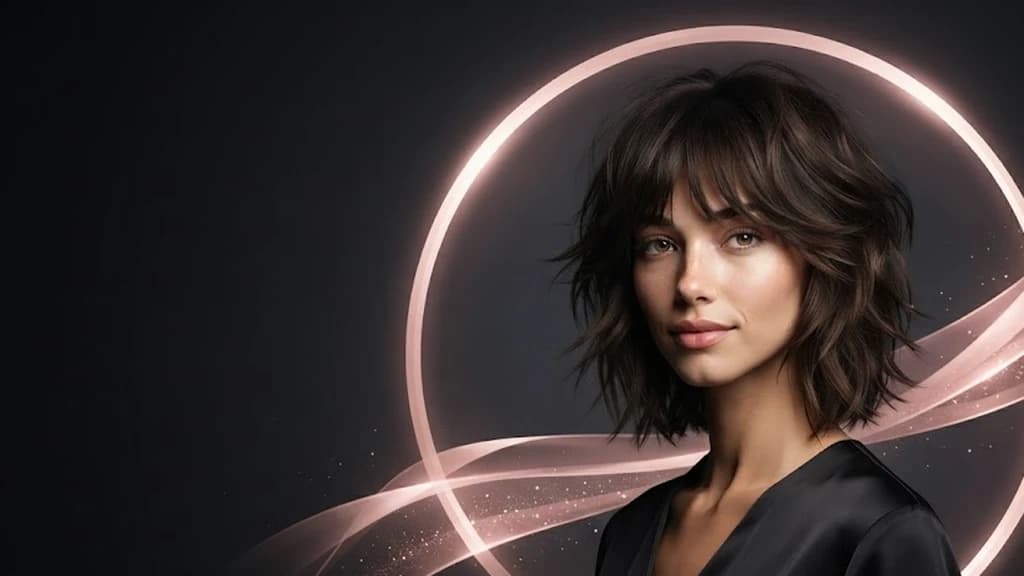
If you want the most movement, a short shag is straight hair's best friend. The choppy, point-cut layers break up that flat, all-one-piece look and add texture and body. Pair it with curtain bangs for softness around the face. It reads effortless and modern, and it's forgiving to grow out.
Blunt bob vs. textured shag: which suits straight hair?
Both are excellent on straight hair, but they solve different problems. Here's how they compare:
| Blunt bob / lob | Textured short shag | |
|---|---|---|
| Best for | Shine, density, a polished line | Movement, body, undone texture |
| Fine straight hair | Excellent — builds fullness | Good, if layers stay subtle |
| Styling effort | Low — often just a smooth blow-dry | Medium — a little product and tousle |
| Grows out | Cleanly, holds shape | Very forgivingly |
| Vibe | Sleek, classic, editorial | Relaxed, modern, lived-in |
If you love a sleek, put-together finish, go blunt. If you crave movement and hate flat hair, go shag. Many straight-haired women land happily in the middle: a bob with soft internal texture.
What to ask for (and what to avoid)
Straight hair shows every choice, so the details matter:
- Ask for internal texturising, not heavy thinning. Over-thinned straight hair goes wispy and stringy at the ends. Point-cutting adds movement without hollowing out the shape.
- Ask about your part. A slight side part adds instant root lift; a dead-centre part on fine straight hair can read flat.
- Bring specifics, not just a photo of someone with different hair. A Salon Brief — the front, sides, back and maintenance spelled out — helps your stylist cut for your texture and density.
Avoid choppy, disconnected layers that leave visible steps, and steer clear of very short, blunt fringes if your hair falls forward, since straight hair won't disguise an uneven line.
See it on your own hair first
The honest truth is that hair-type rules are guidelines, not guarantees — the only way to know is to see the cut on your hair. Upload a selfie, preview a bob, pixie or shag on your own photo, and compare the shapes side by side. Your face stays unchanged; only the haircut transforms. It takes seconds, and it turns "I think this might suit me" into "I know it does."
See it on your own face
Upload a selfie and preview the bob in seconds — your face stays unchanged.
Frequently asked questions
What is the best short haircut for straight hair?
A blunt bob or lob is the classic best choice for straight hair, because straight strands fall into that clean, glossy line effortlessly. If you want more movement, a textured pixie or a point-cut shag with curtain bangs adds shape while keeping the sleek quality straight hair is known for.
Does straight hair look better short or long?
Straight hair often looks fantastic short, because short cuts show off its natural shine and precise lines without the weight that can make long straight hair look flat. A bob, lob or pixie tends to give straight hair more visible shape and swing than mid-length can.
How do I add volume to straight hair with a short cut?
Ask for internal layers and a little root lift rather than heavy thinning. Point-cutting the ends, a slightly shorter crown, and a side part all build volume. A textured pixie or shag adds the most movement, while a blunt bob keeps density at the ends.
Should straight hair be cut blunt or layered?
Both work — it depends on the look. Blunt cuts maximise shine and density and suit fine straight hair especially well. Layers add movement and lightness but should be internal and subtle, since straight hair shows every line. Preview both on your photo to compare.
Preview these on your photo
Keep reading
Short Haircuts AI previews are AI-generated illustrations to help you decide. Real salon results depend on your hair and your stylist. See our AI Disclaimer.