The Best Short Haircuts for Women in Their 40s
The short answer
The best short haircuts for women in their 40s add movement, softness and effortless volume: a textured collarbone or French bob, a soft layered pixie, or a modern short shag with curtain bangs. These cuts flatter changing hair texture, take minutes to style, and feel fresh rather than fussy. Face-framing layers and a soft fringe keep the look current and youthful.
Your 40s are a wonderful decade for short hair. Your sense of style is settled, your patience for high-maintenance routines is thinner, and a well-cut short shape delivers the biggest payoff of any age. This is often when hair texture starts to shift, too — a little finer here, a touch more coarse there — and the right cut works with those changes instead of fighting them.
The goal isn't to look younger. It's to look like the sharpest, most effortless version of you. Here are the short haircuts that do exactly that, plus how to preview any of them on your own photo before you sit in the chair.
What makes a short cut work in your 40s
Three things separate a short cut that feels fresh from one that feels dated:
- Movement over stiffness. Soft layers, texture and a piece-y finish read modern and youthful. Rigid, over-set, helmet-like shapes are what actually age you.
- Softness around the face. Face-framing layers, curtain bangs and a slightly grown-out fringe flatter softening features far better than a hard, blunt outline.
- Built-in volume. Hair often loses a little density in your 40s. A cut that creates lift at the crown and fullness through the mid-lengths does the heavy lifting for you.
Keep those three in mind and almost any short shape can be tailored to suit you. It also helps to think about your daily reality: how many minutes you'll actually spend styling, how often you're heading straight from the shower out the door, and how your hair behaves on humid days. A cut that ignores your routine looks great in the salon and frustrating everywhere else.
The most flattering short haircuts for women in their 40s
1. A textured collarbone or French bob
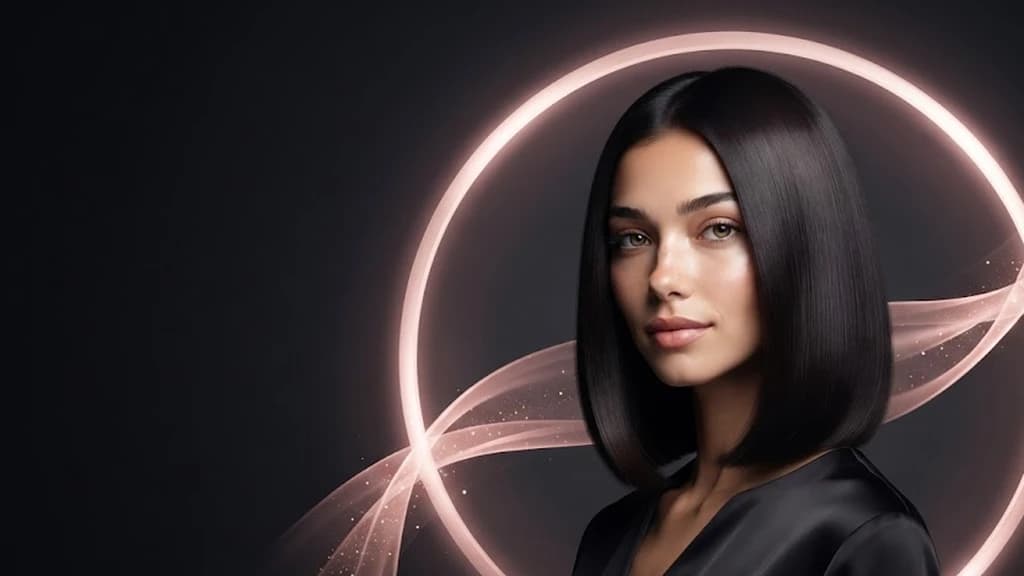
The bob is the reliable hero of this decade. A collarbone-length bob with soft, invisible layers flatters nearly everyone and grows out gracefully. If you want something a touch more playful, the French bob — chin-length with a soft, wispy fringe — looks chic and undone, never fussy.
The collarbone version is the safest first step if you're moving down from longer hair, because it keeps enough length to tuck behind an ear or tousle with your fingers. The French bob is bolder and best if your hair has natural body, since it sits higher and needs a little lift at the roots to feel effortless rather than flat.
Stylist tip: ask for "a soft, lived-in bob with a little texture through the ends." That keeps the shape from looking set or formal, so it flatters rather than ages.
2. A soft, layered pixie
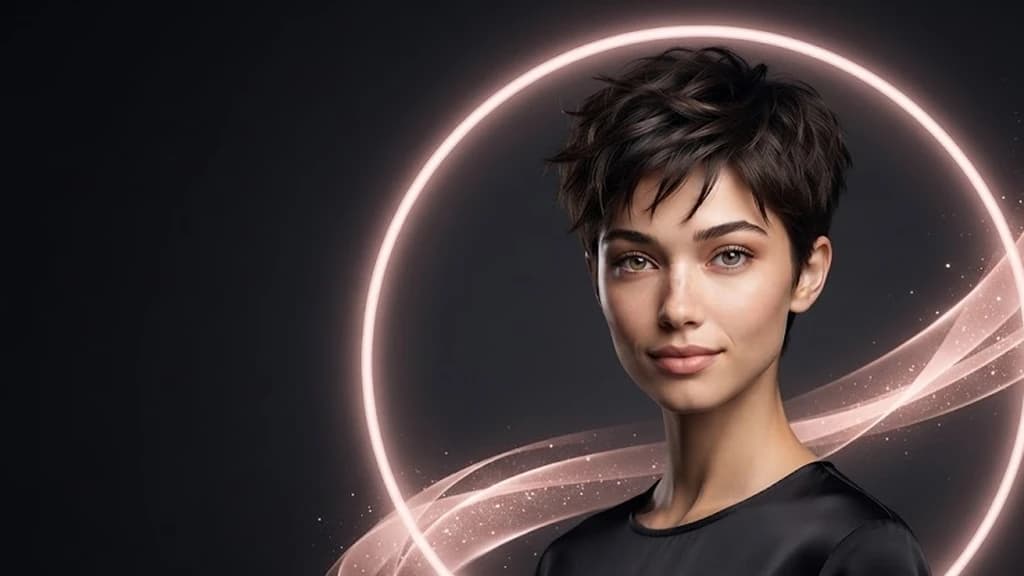
A pixie in your 40s should be soft, not severe. Keep some length and texture on top for versatility, taper the sides gently, and add face-framing pieces near the temples. This is one of the lowest-maintenance cuts you can own: a little product, a few finger-tousles, and you're done. It reads confident and modern.
The secret to a pixie that feels current is keeping the top long enough to play with. Too-short-everywhere reads stark; a longer top gives you the option to sweep it forward, add a soft fringe, or push it back for a sleeker evening look. It's a bigger commitment than a bob, but the payoff is a wash-and-wear routine that takes under five minutes.
3. A modern short shag with curtain bangs
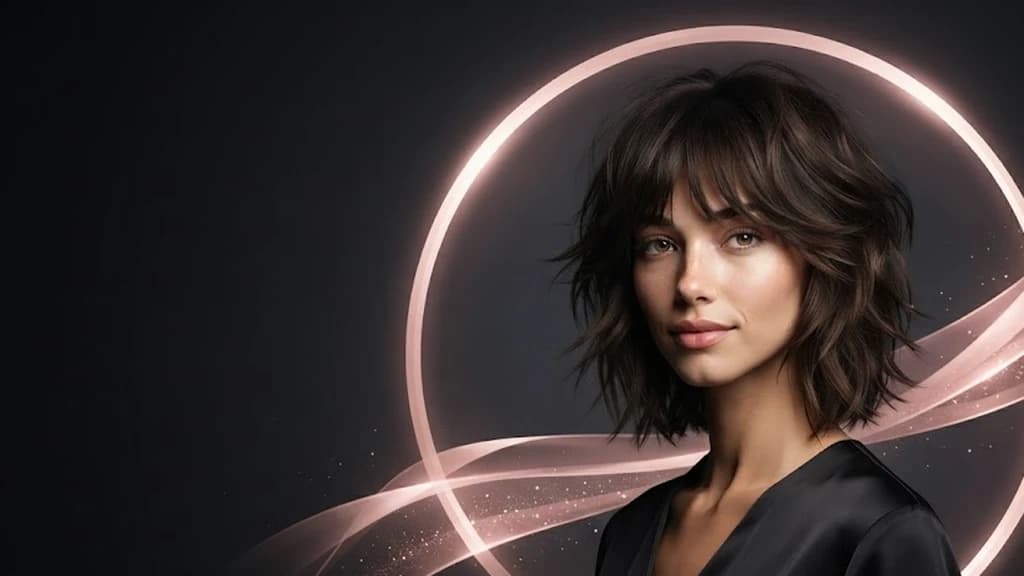
If you love effortless texture, the short shag is made for this decade. Its choppy, feathered layers build volume where you want it and soften the face with curtain bangs. It looks intentionally undone, which is exactly why it feels youthful, and it's forgiving as it grows out.
The shag is also the friendliest cut for anyone with a natural wave or a slight bend, because the layers give that movement somewhere to go. Curtain bangs are the finishing touch: they frame the eyes, soften the forehead, and blend seamlessly back into the layers as they grow, so you're never stuck with an awkward fringe.
Which cut suits your hair type?
Your hair's current texture matters as much as the style itself. Here's a quick guide.
| Hair type | Best short cut | Why it works |
|---|---|---|
| Fine or thinning | Blunt chin/jaw bob | A blunt line builds the illusion of density and fullness |
| Thick or coarse | Layered collarbone bob or shag | Layers remove weight so the shape moves instead of puffing out |
| Wavy | Short shag or French bob | Texture and layers enhance natural bend without frizz |
| Straight | Soft layered pixie or blunt bob | Clean shapes look polished; a few layers add movement |
Match the cut to what your hair is doing now, and styling gets dramatically easier.
Styling it day-to-day
The cut does most of the work, but a few habits keep short hair looking intentional. Start by rough-drying at the root with your fingers or a round brush to build lift before the ends fall flat. For fine hair, a light mousse or root-lift spray on damp hair adds staying power without weight. For thicker or coarser hair, a small amount of cream or oil on the ends tames flyaways and defines the shape.
A texture spray or a pinch of matte paste is the finishing step that turns a fresh blow-dry into a lived-in one. Work it through the mid-lengths and ends, then break up any solid sections with your fingers. On no-wash days, a spritz of dry shampoo at the crown revives volume and buys you another morning. The whole routine should take minutes, not a production.
Common mistakes to avoid
You don't have to avoid these outright, but a good stylist will help you adapt them:
- Stiff, one-length crops with no layers. Without movement, short hair can look set and dated.
- Heavily thinned or over-razored ends, especially on fine hair, which can leave it looking sparse.
- A hard, blunt fringe cut straight across. A softer curtain or side-swept fringe is far more flattering on softening features.
- Skipping the trim. Short cuts lose their shape faster than long hair. A tidy-up every five to seven weeks keeps the outline crisp and the layers doing their job.
- Fighting your natural texture. If your hair waves, a cut that demands daily straightening will wear you down. Choose a shape that flatters what grows out of your head.
How to ask your stylist for it
Bring specifics, not just a single reference photo. Spell out the front, sides, back and how much time you're willing to spend styling each morning. A clear Salon Brief helps your stylist cut for your texture and lifestyle, not a stranger's. The ShortHaircuts try-on generates one automatically for whichever style you preview.
It also helps to describe the feeling you want, not only the shape. Words like "soft," "lived-in," "low-effort" and "movement" tell your stylist how to layer and finish the cut. Mention the parts you want to keep — length at the top, weight through the back — so nothing gets removed by surprise.
See it on your own face first
Style rules are guidelines, not guarantees. The only way to know a cut suits you is to see it on your features. Upload a selfie, preview a bob, pixie or shag on your own photo, and compare the shapes side by side. Your face stays unchanged; only the haircut transforms. It takes seconds, and it turns "I wonder if this would suit me" into "I know it does" — before a single snip.
See it on your own face
Upload a selfie and preview the short shag in seconds — your face stays unchanged.
Frequently asked questions
What are the best short haircuts for women in their 40s?
A textured collarbone bob, a soft layered pixie, and a modern short shag with curtain bangs are the most flattering. All three add movement and volume, suit changing hair texture, and look effortless rather than fussy — which is exactly what keeps a short cut youthful in your 40s.
What is the best low-maintenance short haircut for busy women over 40?
A soft layered pixie or a French bob is the most low-maintenance choice. Both air-dry well, need only a little product, and hold their shape between trims. Ask your stylist for texture through the ends so the cut looks styled even on wash-and-go days.
Do short haircuts make you look older in your 40s?
Not when they're cut with softness and movement. What ages a short cut is a stiff, one-length, over-set shape. Soft layers, face-framing pieces, curtain bangs and a little crown volume keep short hair looking modern, youthful and fresh in your 40s.
What short haircut is best for fine hair in your 40s?
A blunt-based bob at chin or jaw length, or a short layered crop, gives fine hair the most fullness. A blunt line creates the illusion of density, while a few soft layers add lift. Avoid heavy, over-thinned layers, which can leave fine hair looking sparse.
Preview these on your photo
Keep reading
Short Haircuts AI previews are AI-generated illustrations to help you decide. Real salon results depend on your hair and your stylist. See our AI Disclaimer.