Short Haircuts for Damaged or Over-Processed Hair
The short answer
The best short haircuts for damaged or over-processed hair cut away the split, over-bleached ends so the remaining hair looks and behaves healthier. A blunt or soft bob is the gentlest reset for fragile mid-lengths; a pixie is the fastest way to grow out damage entirely; a short shag hides breakage with texture. Keep the cut simple, avoid re-processing, and let a strong, blunt line do the work.
If your hair has been bleached, coloured, or heat-styled one too many times, you already know the feeling: dry, straw-like ends, breakage at the mid-lengths, and strands that snap instead of stretch. The kindest thing you can do isn't another mask or bond treatment. It's a smart, well-placed cut that removes the worst of the damage and lets the healthy hair you still have look its best.
Here's exactly which short haircuts work for damaged or over-processed hair, why cutting helps, and how to preview each one on your own photo before you sit in the chair.
Why cutting is the real fix for damaged hair
Let's be honest about one thing first: no product truly repairs hair that's already broken. Once the cuticle is stripped and the internal bonds are gone, treatments can smooth and temporarily fill the strand, but they can't undo the damage. What a cut can do is remove the fried, splitting ends so the problem stops spreading.
A split end doesn't stay put. It travels up the strand, weakening everything above it. Removing that damaged section is what protects the healthier hair you still have — and it's why a good cut often makes hair feel dramatically better overnight.
The best short haircuts for over-processed hair
Three shapes do the job well. Which one suits you depends on how far up the strand the damage reaches.
1. A blunt or soft bob
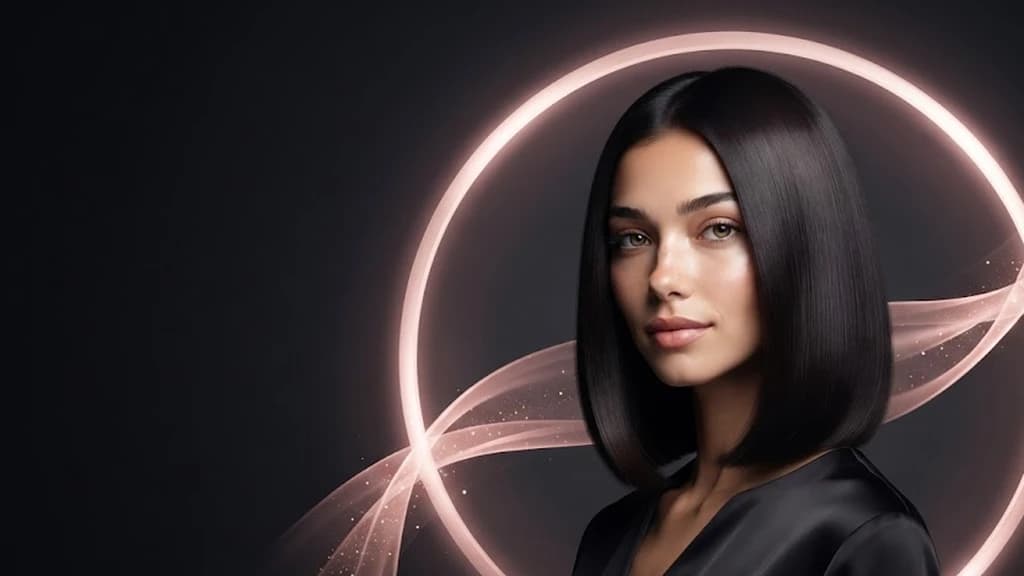
A bob is the gentlest reset for hair that's compromised at the ends but still healthy through the mid-lengths. Cutting to a strong, blunt line removes the wispy, see-through, split ends and instantly makes the hair look thicker and more deliberate. Even a soft, slightly layered bob keeps enough weight to sit smoothly.
Stylist tip: ask for "a blunt or lightly graduated line, no heavy internal layering." Over-processed hair is fragile, and choppy layers can expose more broken ends. A cleaner shape hides them.
2. A pixie to grow out damage completely
When bleach or heat damage runs high up the strand, a pixie is the fastest, most freeing route back to healthy hair. Instead of babysitting damaged ends for two years, you remove most of them at once and grow out fresh, strong hair from a short, healthy base. Many women who big-chop after over-bleaching say it's the best decision they made.
3. A short shag to camouflage breakage
If your damage shows up as scattered breakage and flyaways rather than uniformly fried ends, a short shag is your friend. Its textured, piece-y layers turn uneven lengths into an intentional, lived-in look. The movement disguises broken pieces that would stick out of a blunt cut.
Which short cut matches your damage?
Use this as a quick guide, then confirm with your stylist.
| Your hair right now | Best starting cut | Why it works |
|---|---|---|
| Split, dry ends; healthy mid-lengths | Blunt or soft bob | Removes damage, keeps length |
| Damage runs high; gummy or snapping | Pixie | Fastest clean reset |
| Scattered breakage and flyaways | Short shag | Texture hides uneven pieces |
| Fine and fragile from bleach | Blunt bob | Weight makes thin hair read fuller |
How to protect the hair after you cut it
A great cut buys you a fresh start — don't undo it. The single most important rule for over-processed hair is to stop the processing that caused it. Give bleach and permanent colour a real break, and lean on gloss or demi-permanent tones instead while you recover.
Turn your heat tools down and use them less. Lower temperatures and a heat protectant reduce further cuticle damage. Trim little and often as you grow out, so new splits never get a chance to travel. Patience here does more than any single miracle product.
How to ask your stylist for it
Bring specifics rather than a photo of someone with glossy, virgin hair. Tell your stylist honestly what your hair has been through — how recently you bleached, how often you heat-style, where it snaps. A clear Salon Brief covering the shape, the line, and how much to remove helps them cut for your condition, not an ideal. The ShortHaircuts try-on generates one automatically for whichever style you preview.
See it on your own hair first
Cutting off damaged length can feel like a big leap, especially if you've been growing it for years. Seeing the result before you commit takes the fear out of it. Upload a selfie, preview a bob, pixie or shag on your own photo, and compare the shapes side by side. Your face stays unchanged; only the haircut transforms.
Preview your new short cut on your own photo and turn "I'm scared to cut it" into "I can actually see this working." It takes seconds, and it's the honest way to know a fresh, healthy short cut is right for you.
See it on your own face
Upload a selfie and preview the bob in seconds — your face stays unchanged.
Frequently asked questions
Should I cut my hair short if it's badly damaged from bleach?
Often yes. If your ends are dry, snapping, or gummy, a shorter cut removes the most compromised hair so the healthier length above looks and feels far better. A bob or pixie also lets you grow out fresh, undamaged hair much faster.
What is the best short haircut for over-processed hair?
A blunt or soft bob is the gentlest reset — it removes split ends while keeping length options open. If damage runs high up the strand, a pixie clears it fastest. A short shag hides scattered breakage with layered texture.
Will a haircut actually repair damaged hair?
No cut repairs existing damage — hair can't heal once the cuticle is broken. But cutting away damaged ends stops splits from travelling further up the strand, so the hair you keep stays stronger and looks noticeably healthier.
How do I grow out damaged hair with a short cut?
Start short enough to remove most of the damage, then trim little and often as new, healthy hair grows in. Avoid re-bleaching or heavy heat during the grow-out. A pixie or bob is the cleanest starting point.
Preview these on your photo
Keep reading


Short Haircuts AI previews are AI-generated illustrations to help you decide. Real salon results depend on your hair and your stylist. See our AI Disclaimer.