Short Haircuts That Tame Frizzy Hair
The short answer
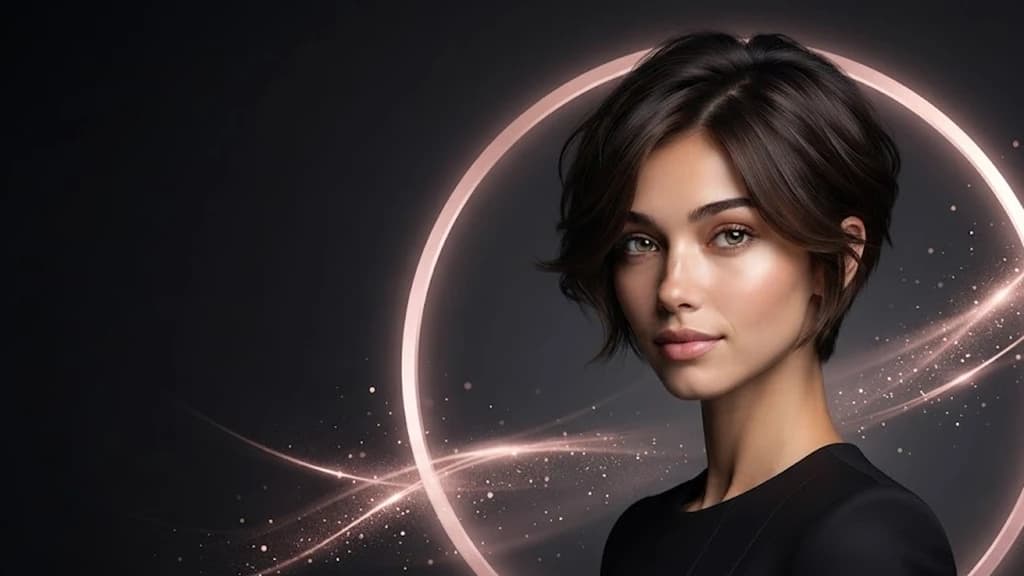
The short haircuts that tame frizzy hair best remove weight and length so the hair has less room to swell: a bixie or textured pixie with softly tapered sides, or a blunt-to-soft bob cut just past the jaw. Shorter, weight-removed shapes dry faster, hold their form and fight humidity, especially with layers placed to guide the frizz rather than fight it.
Frizzy hair isn't a flaw to fix. It's usually just hair that's dry, a little coarse, or naturally wavy, swelling when it meets humidity or friction. The reason a short cut helps so much is simple: less length and less bulk mean less hair to lift, puff and misbehave. Get the shape right and your hair starts working with you.
Here's exactly which short haircuts calm frizz, how to ask for them, how to style them day to day, and how to preview any of them on your own photo before you commit.
Why short haircuts tame frizz in the first place
Frizz is largely about weight and moisture. Long, heavy hair drags, dries slowly and traps humidity along its length. When you remove length and thin out the bulk in the right places, the hair dries faster, sits closer to the head, and simply has less surface to swell. That's the whole principle behind a frizz-friendly short cut.
There's a second reason worth understanding. Frizz shows most where the hair is driest and where the ends are most exposed, which is usually the mid-lengths and tips of longer hair. A short shape keeps far more of your length in the healthier, better-conditioned zone near the scalp. Less exposed, thirsty end means less lift.
Three levers do most of the work:
- Removed length. Shorter hair dries quicker and holds its shape instead of expanding through the day.
- Intentional layers. Layers placed to guide the hair calm frizz. Layers cut too high or thinned too aggressively expose ends and make it worse.
- A defined perimeter. A slightly blunter bottom line gives frizz-prone hair structure to fall into, so it looks deliberate rather than fluffy.
The most frizz-friendly short haircuts
1. The bixie: a pixie-bob hybrid
The bixie is the frizz whisperer of short cuts. It blends the cropped sides of a pixie with the softness and length of a short bob, so you lose the bulk that causes swelling while keeping enough on top to shape and smooth. The tapered sides sit close to the head, exactly where frizz tends to balloon.
It also grows out kindly, which matters more than people expect. Frizzy hair looks worst in that awkward middle stage between cuts, but a bixie loosens into a longer pixie or a soft crop rather than turning into a shapeless puff. That buys you a few extra weeks between salon visits.
Stylist tip: ask for "point-cut texture, not heavy thinning." Point-cutting removes weight and softens the ends without shredding them into fluff, which is the difference between a bixie that calms frizz and one that fans it out.
2. A textured pixie with tapered sides
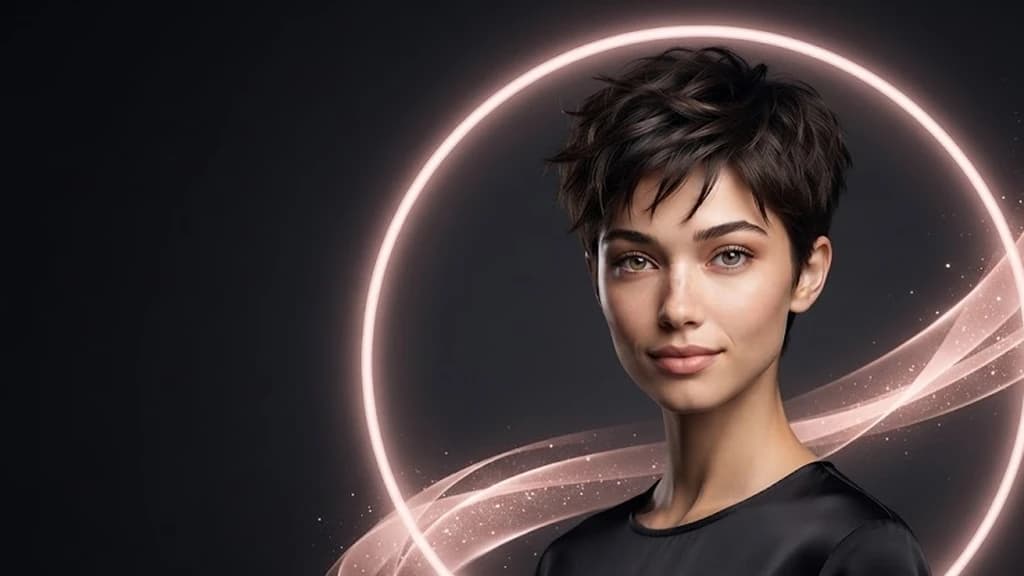
A pixie removes the most weight of any short cut, so it's ideal for very coarse or tightly wavy hair that frizzes fast. Keep some length and movement on top for styling control, and taper the back and sides close so humidity has nothing to lift. It's genuinely low-effort: a little cream, a quick dry, and you're done.
The one thing to watch is the crown. If a pixie is cut too uniformly short all over, the shortest, springiest hairs at the crown can stand up and frizz. Ask for a little more length left through the top and crown, blended down into the tapered sides, so the shape has weight where it needs to lie flat.
3. A blunt-to-soft bob past the jaw
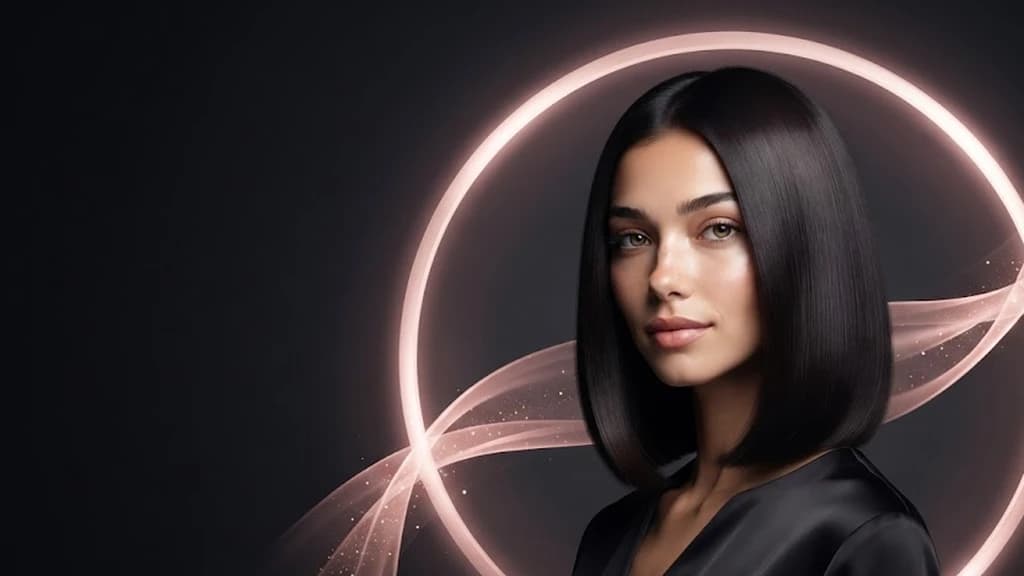
Love a little length? A bob works beautifully for frizz if you cut it with a blunter perimeter and drop it just past the jaw. The heavier, cleaner bottom line weighs the hair down slightly and gives it a shape to fall into. Add a few soft internal layers only, so the ends don't puff out while the overall line stays crisp.
Length placement is the deciding detail. A bob that lands right at the widest part of your cheekbone or jaw can push frizz outward into a triangle. Dropping the line just below the jaw lets the weight pull the shape down and in, which reads as sleek rather than bushy, even on a humid day.
Bixie vs bob for frizzy hair: which suits you?
Both tame frizz well. The right pick depends on how much bulk you want gone and how much daily styling you'll happily do.
| Bixie / textured pixie | Blunt-to-soft bob | |
|---|---|---|
| Best for | Coarse, very wavy or thick frizzy hair | Fine-to-medium frizz that wants some length |
| Weight removed | High, dries fastest | Moderate |
| Humidity resistance | Excellent, little hair to swell | Good, with a smoothing routine |
| Daily styling | Minimal, cream and go | A little more, smoothing on the ends |
| Grows out | Softly, into a longer pixie or crop | Cleanly, into a longer bob |
How to ask your stylist for it
Bring the language, not just a photo. Say you have frizz-prone hair and you want weight removed with point-cutting, tapered sides, and a defined perimeter rather than heavy thinning or feathered ends. Ask them to leave a touch more length wherever your hair frizzes most, so it has weight to stay calm. A clear Salon Brief that spells out the front, sides, back and finish protects you from a cut that's too airy.
A few phrases are worth memorising. Ask them to "keep the perimeter blunt and remove weight from the inside," which calms frizz without exposing ends. Ask them to avoid a razor on very frizzy hair, since a razored end frays and swells more than a scissor-cut one. And ask to see the cut dried and finished the way you'll actually wear it, not just blown out glass-smooth, so you leave knowing how it behaves in real life.
Styling it day to day
The cut does most of the work, but a short, simple routine keeps frizz from creeping back. Start on damp, not soaking, hair. Smooth a pea-sized amount of leave-in cream or a drop of oil through with your hands, working from the mid-lengths out, then dry it fully. Half-dry frizzy hair swells the moment it meets the air.
Two habits matter more than any product. First, dry it completely, because leftover moisture is what puffs a short cut hours later. Second, stop touching it once it's set. Every pass of your fingers lifts the cuticle and invites frizz back. On humid days, a light finishing cream on your palms, pressed over the surface, seals the shape without weighing it down.
Common mistakes to avoid
The biggest one is over-thinning. When frizzy hair feels thick, it's tempting to ask for lots of weight removed everywhere, but shredding the ends creates a halo of short, frizzing pieces. Weight comes out from the inside, not by thinning the surface. The second mistake is skipping regular trims, since frizz-prone ends dry out and fray fast, and a short shape loses its clean line quickly. A tidy trim every five to seven weeks keeps a bixie or bob looking intentional rather than grown-out and fuzzy.
See it on your own face first
Frizz behaves differently on every head, so the honest test is seeing the cut on you. Upload a selfie, preview a bixie, pixie or bob on your own photo, and compare the shapes side by side. Your face stays exactly the same; only the haircut transforms. It takes seconds, and it turns "I think this could tame my frizz" into "I can see that it does."
See it on your own face
Upload a selfie and preview the bixie in seconds — your face stays unchanged.
Frequently asked questions
What is the best short haircut for frizzy hair?
A bixie or textured pixie is usually the best short haircut for frizzy hair, because removing length and bulk gives the frizz less room to swell. Sides taper close to the head, while the top keeps enough length for shape and styling control.
Does cutting short hair make frizz worse?
Not if it's cut well. A blunt, over-layered chop can expose more ends and puff out, but a shape with intentional, weight-removing layers actually calms frizz. The trick is texture placed to guide the hair, not thinned out so much that every end frizzes.
Is a bob or a pixie better for frizzy hair?
Both work. A pixie or bixie removes the most weight and dries fastest, ideal for very frizzy or coarse hair. A bob just past the jaw keeps length but needs a blunter line and a smoothing routine to stop the ends from swelling in humidity.
How do I stop my short haircut from frizzing in humidity?
Dry it fully, use a smoothing cream or oil on damp hair, and avoid over-touching it once styled. A shorter, weight-removed cut helps most because there's simply less hair to react to the moisture in the air.
Preview these on your photo
Keep reading

Short Haircuts AI previews are AI-generated illustrations to help you decide. Real salon results depend on your hair and your stylist. See our AI Disclaimer.