The 70s Shag Revival: How to Wear It Now
The short answer
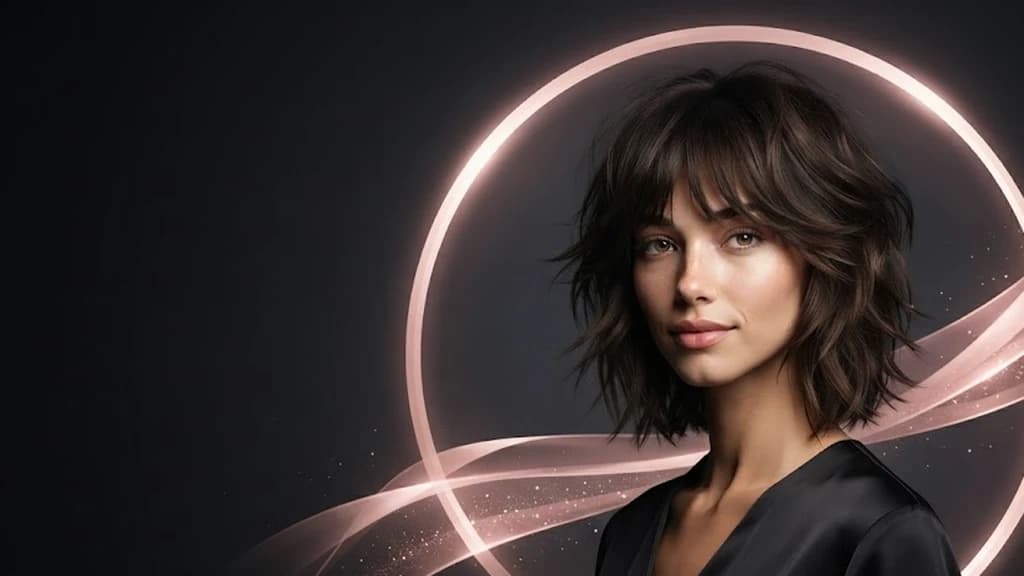
The modern 70s shag keeps the era's choppy, layered energy but softens it: heavier internal layers for movement, face-framing curtain bangs, and a lived-in finish instead of stiff, blow-dried volume. Wear it now by asking for texture and shape rather than height, air-drying with a light texture spray, and choosing a length — from short crop to collarbone — that matches your hair density and face shape.
The shag is back, and this time it's softer, easier and far more wearable than the feathered, hairsprayed version your mum might remember. The bones are the same: choppy layers, a bit of movement, face-framing pieces. What's changed is the finish. The modern shag trades stiff height for lived-in texture, which is exactly why it suits real life now.
Here's how to wear the revival without looking like a costume, how to adapt it to your hair and face, and how to preview the whole thing on your own photo before you book.
What makes the 70s shag feel modern now
The original shag, popularised in the seventies, was defined by heavily feathered layers and a lot of crown volume. The modern shag keeps the layered, choppy architecture but wears it relaxed. Instead of building height with a round brush and hairspray, today's version leans on natural texture, softer face-framing and curtain bangs.
Three things separate the current look from the retro one:
- Softer layering. The layers are still there for movement, but they're blended so the ends look intentional, not wispy or over-thinned.
- Curtain bangs, not a heavy fringe. A centre-splitting fringe that sweeps to either side frames the face and instantly reads current.
- A lived-in finish. Air-dried or rough-dried texture replaces the stiff, symmetrical dome of seventies volume.
Wear those three principles and the shape feels like now, even though the cut is decades old.
How to wear the shag revival: length and shape
The shag scales beautifully. The right length depends on your hair density, your face shape, and how much time you want to spend styling. Here's how the main versions compare.
| Version | Best for | Upkeep | The vibe |
|---|---|---|---|
| Cropped shag ("shixie") | Edgier looks, thick hair, bold features | Higher — trims every 4-6 weeks | Textured, androgynous, striking |
| Jaw-length shag | Most face shapes, medium density | Moderate | Playful, French-girl, easy |
| Collarbone shag | Softer looks, fine-to-medium hair | Lower — grows out gracefully | Relaxed, romantic, low-effort |
A shorter shag reads bolder and needs more frequent shaping to hold its form. A longer one is more forgiving as it grows and gives fine hair somewhere to build movement. If you're new to the style, a jaw-to-collarbone length is the easiest entry point.
Stylist tip: bring a photo, but ask for the cut in your own words too — "choppy layers, curtain bangs, kept soft and lived-in, not heavy on top." That description keeps your stylist from defaulting to the tall, feathered retro version.
Who does the modern shag flatter?
The shag is one of the most adaptable short cuts because layers can be placed to suit almost any face. That's why it works across face shapes when it's cut with intention rather than to a formula.
Round and full faces
Curtain bangs create flattering diagonals, and the layers keep volume up and back rather than out at the sides. Choose a slightly longer shag so the shape draws a vertical line, and keep a soft side-leaning part for movement.
Long or oval faces
A fuller fringe within the curtain-bang shape helps break up length, and the width the layers add at the sides brings pleasing balance. Oval faces can carry almost any shag length, so let hair density and lifestyle decide.
Square or strong-jaw faces
Softness is your friend here. Wispy, face-framing layers and a gently swept fringe soften a defined jaw, while the shag's overall texture keeps the look relaxed rather than harsh.
Styling a shag so it looks effortless
The whole appeal of the revival is that it's meant to look undone, which means the styling is genuinely low-effort. The mistake most people make is over-styling: too much heat, too much product, too much symmetry. Aim for movement instead.
A simple routine works for most hair:
- Rough-dry or air-dry to about 90 percent, encouraging your natural texture rather than fighting it.
- Scrunch in a light texture spray or sea-salt mist to define the choppy layers.
- Break up the curtain bangs with your fingers so they fall softly to each side, and leave the part slightly imperfect.
For fine hair, keep product light and focused on the mid-lengths, so the roots stay lifted. For thick or wavy hair, a smoothing cream on the ends tames frizz without weighing down the shape. Heavy gels and stiff hairsprays are the fastest way to make a modern shag look dated again.
Stylist tip: if your shag falls flat by midday, a quick refresh with dry shampoo at the roots and a little texture spray through the ends revives the layers without a full restyle.
How to ask your stylist for the modern shag
The difference between a beautiful shag and a dated one is largely in the consultation. Be specific about texture, softness and the fringe. A clear brief covering the crown, sides, face-framing and finish helps your stylist cut for your hair rather than a generic reference photo. The ShortHaircuts try-on generates a stylist-ready brief automatically for whichever version you preview.
See the shag on your own face first
Trends are guidelines, not guarantees. The only real way to know if the modern shag suits your features and hair is to see it on you. Upload a selfie, preview a short shag on your own photo, and compare the length and layers against your face before you sit in the chair.
Your face stays exactly as it is; only the haircut transforms. Preview the shag on your own photo and turn "I wonder if this suits me" into a decision you can actually see.
See it on your own face
Upload a selfie and preview the short shag in seconds — your face stays unchanged.
Frequently asked questions
What is the difference between a 70s shag and a modern shag?
The original 70s shag was all about big, feathered height and heavy volume. The modern shag keeps the choppy layers and curtain bangs but wears them softer and more lived-in, with movement and texture instead of stiff crown height. It's easier to style day to day.
Does a shag haircut suit fine hair?
Yes. Layers give fine hair the impression of density and movement it can lack when worn one length. Ask for softer, less aggressive layering so the ends don't look wispy, and finish with a light texture spray rather than a heavy product that flattens the roots.
How do I style a shag without it looking dated?
Air-dry or rough-dry rather than setting stiff volume, scrunch in a little texture spray or sea-salt mist, and let the curtain bangs fall naturally with a slight side sweep. The goal is effortless movement, not a blow-dried, symmetrical dome of height.
How short can a shag haircut go?
A shag works from a short, cropped 'shixie' length through a jaw-length shag right down to the collarbone. Shorter versions read edgier and need more frequent trims; longer versions are softer and lower maintenance. Choose based on your face shape and how much upkeep you want.
Preview these on your photo
Keep reading
Short Haircuts AI previews are AI-generated illustrations to help you decide. Real salon results depend on your hair and your stylist. See our AI Disclaimer.