The 'Clavicut': The Collarbone-Length Cut Everyone Wants
The short answer
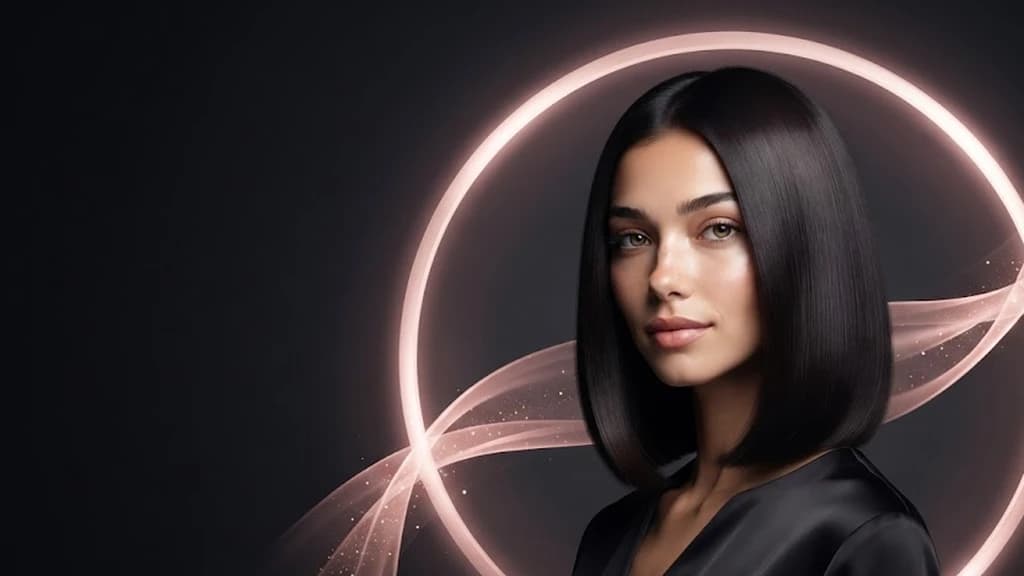
The clavicut is a collarbone-length cut, sitting right where your collarbone meets your shoulder. It's the sweet spot between a long bob and long hair: enough length to tuck behind your ears or wear in a small clip, but short enough to feel fresh and low-effort. Softly layered versions suit almost every face shape and hair type, which is why it's become one of the most-requested cuts around.
If you've been scrolling salon photos lately, you've almost certainly seen it: hair that stops right at the collarbone, swishy and soft, neither short nor long. That's the clavicut, named for the clavicle — your collarbone. It's become one of the most-requested cuts in salons for a simple reason. It sits in the exact sweet spot where a cut still feels easy to manage but long enough to feel like you.
Here's what the clavicut actually is, who it flatters, how it compares to the lob, and how to preview it on your own photo before you book.
What is a clavicut, really?
A clavicut ends right where your collarbone meets your shoulder — typically an inch or two below the chin, depending on your height and neck length. Think of it as the calm middle ground between a chin-length bob and full-length hair. There's enough length to tuck behind your ears, twist into a tiny claw clip, or pull into a stubby ponytail on a rushed morning, yet it's short enough to feel fresh and deliberate.
The reason stylists love recommending it is versatility. It removes the dead-weight ends that make long hair feel heavy and flat, without asking you to commit to a dramatic short cut. For most people, that translates to hair that looks thicker at the bottom and moves more freely.
Why has the clavicut become so popular?
The clavicut hits a real practical need: it's the shortest length that still does everything long hair does. You can still tie it back off your face. You can still tuck it behind your ears. But you skip the tangled, weighed-down ends that make wash days a chore.
It also photographs beautifully because it frames the neck and shoulders rather than covering them. And because the length is fairly forgiving, growing it out doesn't go through an awkward stage the way a pixie or blunt bob can. It just gradually becomes a lob, then long hair, on its own terms.
Stylist tip: if you're nervous about "going short," a clavicut is the gentlest place to start. It's usually only a few inches shorter than shoulder-length hair, so the change feels refreshing rather than shocking, and you can always take it shorter later.
Who does the clavicut suit?
Almost everyone, which is a big part of its appeal. Because the length can be nudged up or down by an inch and the layering adjusted, a good stylist can tailor it to your face and hair.
By face shape
- Round faces benefit from a few soft, face-framing layers and a side part, which add a lengthening diagonal.
- Square or strong-jaw faces soften nicely with movement around the jawline rather than a blunt line that lands exactly on it.
- Long or oval faces can carry a blunter, one-length clavicut and often look great with curtain bangs to balance the length.
By hair type
- Fine hair looks fuller at this length; a blunt or lightly layered finish keeps the ends dense.
- Thick or wavy hair loves the weight removal — internal layering takes out bulk so it sits rather than puffs.
- Curly hair wears the clavicut as a rounded, bouncy shape; ask your stylist to cut it dry so the curl pattern lands where you want it.
Clavicut vs lob: what's the difference?
They're close cousins, and the words often get used interchangeably, but there's a real distinction in where the hair lands. Here's a quick comparison to help you ask for exactly what you want.
| Clavicut | Lob (long bob) | |
|---|---|---|
| Where it ends | At the collarbone | At or just above the shoulders |
| Overall feel | Soft, in-between, versatile | Sleek, structured, modern |
| Can you tie it back? | Yes, a small ponytail or clip | Often only half-up |
| Styling effort | Low; air-dries well | Low to medium; often blow-dried straight |
| Best if you want | Length you can still play with | A cleaner, more defined shape |
Neither is "better" — it comes down to whether you want a little more length to work with (clavicut) or a crisper, shorter silhouette (lob). If you're between the two, tell your stylist you want it "collarbone-grazing," and ask them to leave it a touch longer, since you can always trim more.
How to ask your stylist for a clavicut
The word "clavicut" is helpful, but stylists respond best to specifics. Say where you want it to land ("right at my collarbone"), how much movement you want (blunt, soft layers, or shaggy), and whether you want face-framing pieces or bangs.
Bring the maintenance conversation into it too. Ask how often you'll need a trim to keep the shape (most collarbone cuts hold well for eight to twelve weeks) and whether it'll air-dry the way you like. A clear Salon Brief covering the front, sides, back and upkeep saves you from the "it's shorter than I pictured" moment. The ShortHaircuts try-on writes one for you automatically for whichever length you preview.
See the clavicut on your own face first
Face-shape and hair-type guidance are a starting point, not a promise. The only way to really know if collarbone length suits you is to see it on your features and your neck. Upload a selfie, preview a collarbone-length bob on your own photo, and compare it against your current length side by side. Your face stays exactly the same; only the haircut changes.
Ready to see it? Try the clavicut on your own photo. It takes seconds, and it turns "I wonder if this would suit me" into something you can actually look at before you sit in the chair.
See it on your own face
Upload a selfie and preview the bob in seconds — your face stays unchanged.
Frequently asked questions
What exactly is a clavicut?
A clavicut is a haircut that ends right at your collarbone — the 'clavi' comes from clavicle, the collarbone. It sits between a long bob and long hair, usually around one to two inches below the chin, and works with or without layers depending on how much movement you want.
What's the difference between a clavicut and a lob?
A lob (long bob) usually sits at or just above the shoulders, while a clavicut drops a touch lower to graze the collarbone. The clavicut gives you slightly more length to tuck behind your ears or tie back, but keeps the same easy, low-maintenance feel.
Does a clavicut work for fine hair?
Yes. Fine hair often looks fullest at collarbone length because there's enough weight to hold a shape without dragging the roots flat. Ask for a blunt or lightly layered finish rather than heavy internal layering, which can thin the ends too much.
How do I know if a clavicut suits my face before cutting?
Preview it on your own photo first. Upload a selfie to the ShortHaircuts try-on, choose a collarbone-length bob, and see the proportions on your own face — your features stay unchanged, only the haircut is transformed.
Preview these on your photo
Keep reading
Short Haircuts AI previews are AI-generated illustrations to help you decide. Real salon results depend on your hair and your stylist. See our AI Disclaimer.