The Best Short Haircuts for Fine Hair
The short answer
The best short haircuts for fine hair are the ones that create the illusion of density: a blunt, one-length bob, a textured or piecey pixie, and a soft, layered shag. The rule of thumb is to keep weight and a strong perimeter so hair looks thicker, while adding just enough layering for movement. Avoid heavy thinning, long feathered layers, and razored ends, which make fine hair look wispier.
If your hair is soft, silky and tends to fall flat by afternoon, you have fine hair, and a good short cut can be the single biggest upgrade you make. Fine hair isn't about how much hair you have. It's about how thin each individual strand is. You can have a full head of fine hair or a sparse one, and the cut that flatters you addresses the strand, not the count. The trick is choosing a shape that builds fullness instead of accidentally thinning things out.
Here's exactly which short haircuts create that fuller, bouncier look, which ones to avoid, and how to preview any of them on your own photo before you sit in the chair.
Why short cuts work so well on fine hair
Long fine hair fights gravity. The extra length adds weight that pulls the roots flat and leaves the ends looking sparse and stringy. Cutting shorter removes that weight, so the hair sits with more of its own natural body and bounce. The higher up the strand sits, the less it has to fight to stay lifted, and fine hair rewards that instantly.
Three levers do most of the flattering work:
- A strong perimeter. A blunt, even edge keeps the ends full and dense-looking, rather than tapering them to nothing.
- Root lift. Shorter lengths and layered crowns let the roots stand up, which reads as more volume.
- Just enough texture. A little movement adds the illusion of density, but too much layering does the opposite.
Keep those three in mind and almost any short shape can be built to look fuller. Color plays a supporting role too. A subtle dimension of lighter and darker tones catches light and tricks the eye into seeing more strands, which is why flat, single-block color can make fine hair look thinner than it is.
The best short haircuts for fine hair
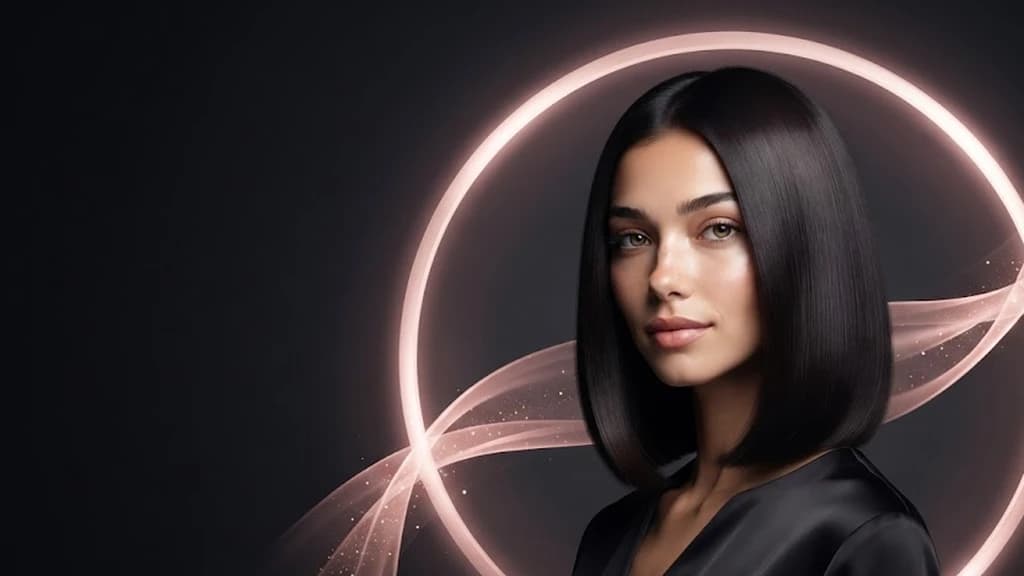
1. A blunt, one-length bob
The blunt bob is the gold standard for fine hair. Because every strand ends at the same line, the perimeter looks thick and solid, even when the hair itself is soft. Aim for a length between the chin and the collarbone, cut with a clean, weighty edge rather than feathered ends. A chin-length version drops even more density at the jaw, where it frames the face, while a collarbone lob gives you a touch of length to tuck and twist without losing the blunt payoff.
Stylist tip: ask for "a blunt perimeter with only a few soft internal layers." You want the outline dense and the inside light enough to move, never thinned out at the bottom.
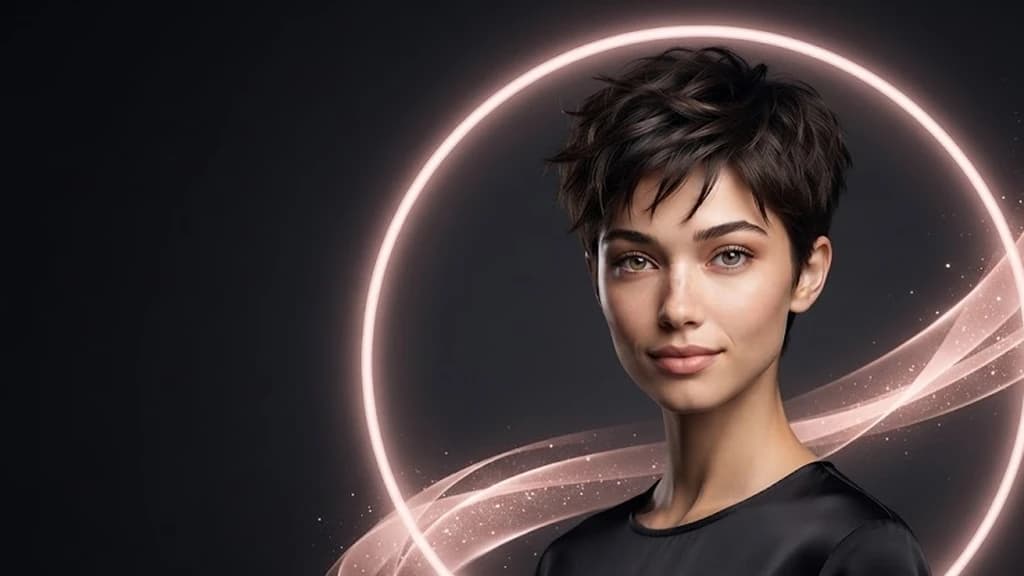
2. A textured, piecey pixie
A pixie gives fine hair the most dramatic lift of any cut. Short layers on top stand up at the root, and piecey, separated ends look fuller than they really are. Keep a little length on top for styling flexibility, and ask for texture through cutting technique rather than thinning shears. A slightly longer top also lets you sweep it to one side, which adds height at the part, the spot where fine hair usually gives itself away.
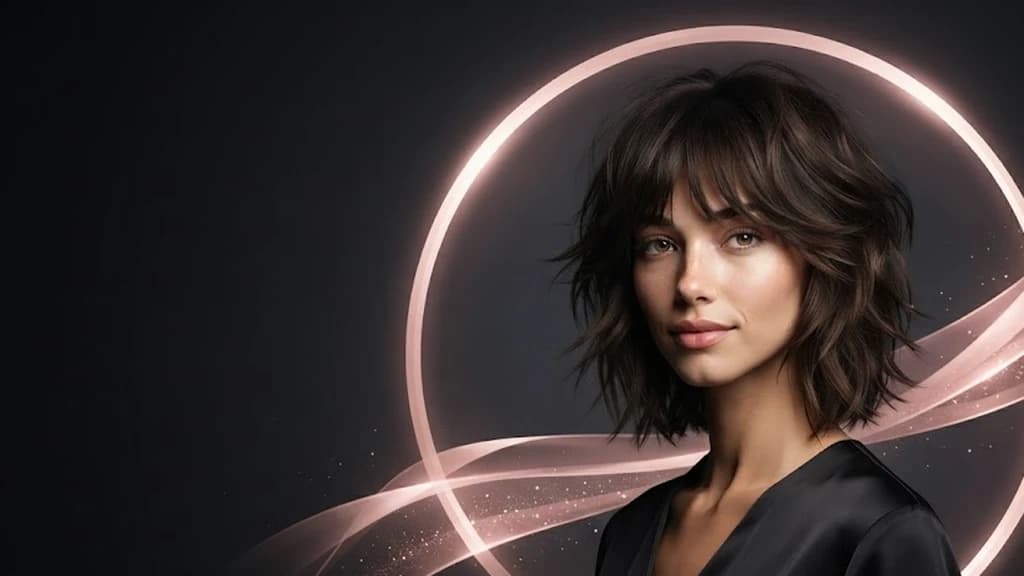
3. A soft, layered shag
If you want movement without losing fullness, a short shag is a smart middle ground. Its layers are stacked to build volume up and back, and a little tousled texture disguises thinner areas. Keep the layers soft and short, not long and feathered, so the shape stays full instead of wispy. Curtain bangs or a soft fringe pair beautifully with a shag and pull attention up toward the eyes rather than down toward the ends.
What to approach with caution
You don't have to avoid these entirely, but they work against fine hair more often than not:
- Heavy thinning and razored ends. Thinning shears remove the density you're trying to create and leave wispy, see-through ends.
- Long, feathered face-framing layers. They pull weight out of the shape and make hair look sparser.
- Flat, one-length crops with no root lift. Without a little height, fine hair reads limp.
The common thread is weight removal. Any technique whose main job is to take bulk out is usually the wrong call for a head of hair that's already short on bulk.
Blunt bob vs. textured pixie: which suits you?
Both are excellent for fine hair. The right one comes down to how much length and styling you want.
| Blunt bob | Textured pixie | |
|---|---|---|
| Best for | Maximum density illusion | Maximum root lift |
| Length | Chin to collarbone | Cropped, longer on top |
| Styling time | Moderate, benefits from a blow-dry | Low, quick to finger-style |
| Grows out | Gracefully into a lob | Needs trims every 4 to 6 weeks |
| Volume source | Weighty, blunt perimeter | Short layers and texture |
If you love a low-effort morning, lean pixie. If you want length you can tuck, twist and part, the bob wins.
Styling it day-to-day
The right products matter almost as much as the cut. Fine hair gets weighed down by heavy creams and oils, so reach for lightweight, volume-building formulas instead. A mousse or a root-lifting spray worked into damp hair at the roots gives you height that lasts through the day. A dry texture spray or a light powder revives volume in the afternoon without the greasy look that heavier products leave behind.
How you dry it counts too. Flip your head upside down and blow-dry the roots against their natural fall, then let them settle for instant lift. On a bob, a round brush that turns the ends under keeps the perimeter looking full and polished. On a pixie, a little pomade rubbed between your fingertips and pressed into the tips creates piecey separation. Less product, applied where you actually need it, always beats a heavy hand.
How to ask your stylist for it
Bring specifics, not just a photo of someone with different hair. Say the words "fine hair, build fullness," and ask them to keep a blunt or strong perimeter with only light internal layering, and to avoid thinning shears. A Salon Brief that spells out the front, sides, back and finishing helps your stylist cut for your density, not someone else's. It also helps to name what you dislike about your current cut, whether that's flat roots, stringy ends, or a part that shows scalp, so your stylist can target the exact problem.
See it on your own hair first
Fine-hair rules are guidelines, not guarantees, and the only way to know is to see the cut on your features. Upload a selfie, preview a bob, pixie or shag on your own photo, and compare the fullness side by side. Your face stays unchanged; only the haircut transforms. It takes seconds, and it turns "I think this might work" into "I know it does."
See it on your own face
Upload a selfie and preview the bob in seconds — your face stays unchanged.
Frequently asked questions
What is the best short haircut for fine hair?
A blunt, one-length bob is the most reliable choice, because a strong, even perimeter makes fine hair look denser and fuller. A textured pixie is a close second, since short layers on top create instant lift and the look of more hair.
Does short hair make fine hair look thicker?
Yes, usually. Cutting off length removes weight that drags fine hair flat, so a shorter cut sits with more natural body and bounce. A blunt or one-length shape adds to the effect by keeping the ends full instead of tapering them thin.
Should fine hair have layers or be cut blunt?
Mostly blunt, with light layering for movement. Heavy, long layers and aggressive thinning make fine hair look wispy and sparse. Keep the perimeter blunt for density and add only soft, short layers or face-framing pieces where you want gentle movement.
Is a pixie cut good for thin fine hair?
A pixie can be excellent for fine hair when it is cut with texture and a little length on top. Short, piecey layers create lift at the roots and separation at the ends, which reads as fuller. Ask for texture, not thinning, to avoid a flat result.
Preview these on your photo
Keep reading
Short Haircuts AI previews are AI-generated illustrations to help you decide. Real salon results depend on your hair and your stylist. See our AI Disclaimer.