French Bob vs Classic Bob: Which Short Cut Suits You?
The short answer
A French bob is shorter (usually chin-length), a touch tousled, and almost always paired with a soft, wispy fringe — think effortless Parisian. A classic bob is a little longer (jaw to just below chin), cleaner and more polished, and can be worn with or without bangs. Choose the French bob for laid-back, textured charm; choose the classic bob for a sleek, versatile, low-drama shape.
Both the French bob and the classic bob are short, chic and endlessly popular — so when you're sitting in the salon chair, how do you choose between them? The honest answer is that they're cousins, not opposites. The difference comes down to a few centimetres of length, the presence of a fringe, and the mood you're after.
Here's exactly how the two compare, who each one flatters, and how to preview both on your own photo before you decide.
French bob vs classic bob at a glance
The quickest way to see the difference is side by side. Both are bobs, but they lean in opposite directions: one toward effortless and one toward polished.
| Feature | French Bob | Classic Bob |
|---|---|---|
| Length | Usually chin-length or just above | Jaw to just below the chin |
| Bangs | Almost always a soft, wispy fringe | Optional; often worn without |
| Texture | Tousled, undone, a little imperfect | Smooth, blunt, clean lines |
| Mood | Casual, Parisian, laid-back | Timeless, sleek, versatile |
| Styling effort | Low, but embraces natural movement | Low to medium; loves a blow-dry |
| Grows out | Softly, into a longer fringe and bob | Cleanly, holds its shape |
Think of the French bob as the one you'd wear with a linen shirt and no makeup, and the classic bob as the one that works for both the boardroom and a night out.
What is a French bob?
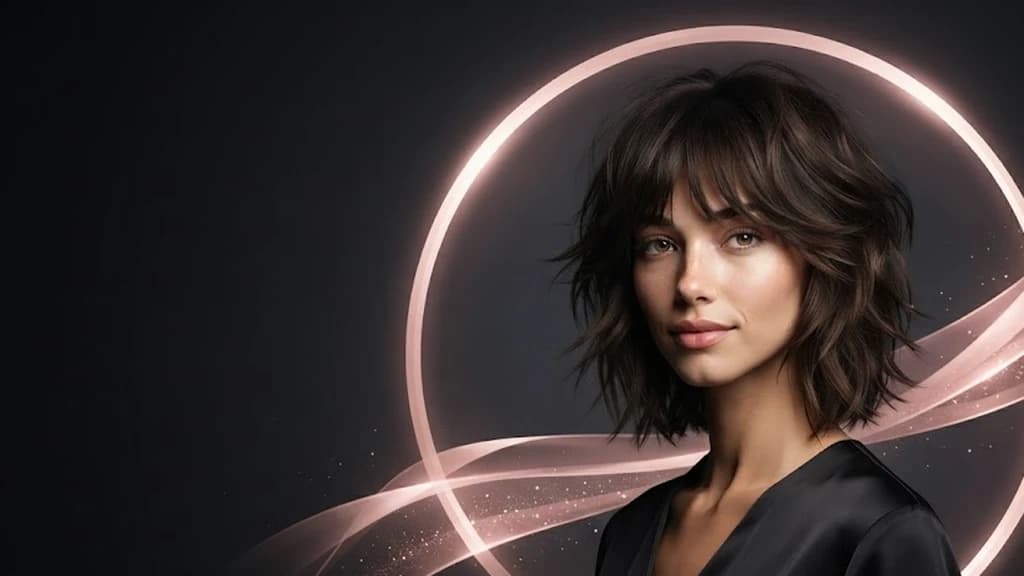
The French bob is a short, chin-length cut with a slightly undone texture and a soft, often too-short fringe. It takes its name from that unfussy Parisian aesthetic: hair that looks like you slept on it and simply ran your fingers through. The length usually sits right at the chin or a touch above, and the ends are often left a little imperfect rather than razor-sharp.
The defining feature is the bangs. A true French bob nearly always includes a wispy, feathered fringe that grazes the brows or sits just above them. It's meant to look slightly grown-out, never blunt or heavy. That softness is what gives the cut its romantic, lived-in charm.
Stylist tip: ask for a "chin-length bob with a soft, piecey fringe, cut to look a little undone." The word undone matters — it tells your stylist not to over-perfect the ends or the bangs.
What is a classic bob?
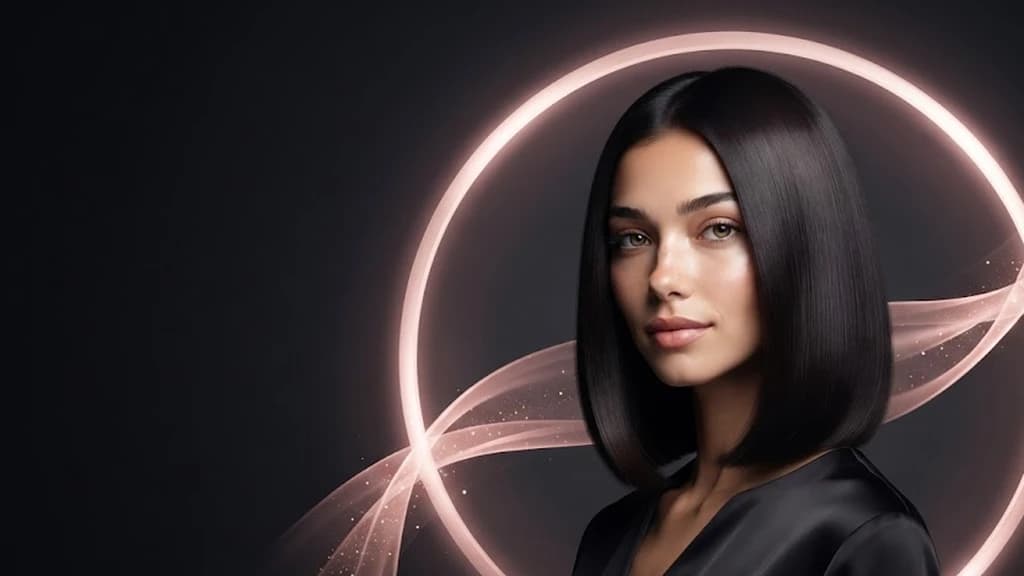
The classic bob is the timeless, clean-lined cut that sits between the jaw and just below the chin, worn with or without bangs. It's the shape that has stayed in fashion for a century because it's so wearable. The lines are neater than a French bob's, the length is a touch longer, and the overall effect is polished rather than tousled.
Because it's so versatile, the classic bob adapts easily. You can wear it blunt and sleek, add subtle layers for movement, or shape it into a soft A-line that's slightly longer at the front. It looks equally at home poker-straight or with a gentle wave, which is a big part of why it never dates.
The blunt classic bob
A blunt classic bob keeps one clean length all the way around. It's brilliant for fine hair because that solid perimeter makes the hair look denser and thicker. It's the crispest, most graphic version of the shape.
The layered or A-line classic bob
Adding a few soft layers or a slight A-line brings movement and helps the cut suit rounder or fuller faces. The front pieces sit a little longer, sculpting the cheeks and drawing a flattering vertical line.
Which bob should you choose?
Choosing comes down to three questions: how much texture you like, whether you want bangs, and how much daily styling you enjoy.
Reach for the French bob if you love a casual, slightly messy look, you already fancy a fringe, and your hair has some natural movement to play with. It's forgiving on wavy or slightly unruly hair, and it rewards a hands-off styling routine.
Reach for the classic bob if you want a sleek, do-anything shape, you're unsure about committing to bangs, or you like the option of a smooth blow-dry. It's the safer all-rounder and the easier grow-out.
Your face shape matters too. The French bob's fringe softens longer or heart-shaped faces beautifully, while a chin-grazing blunt line can widen a rounder face. A classic bob with a side part or gentle A-line tends to flatter the widest range of shapes.
Stylist tip: if you're torn, start with the classic bob. You can always add a fringe later to move toward a French bob, but you can't un-cut bangs once they're in.
See both on your own face first
Face-shape and texture rules are helpful guidelines, but the only way to truly know is to see each cut on your features. Length that looks perfect on one person can sit completely differently on another, and a fringe is a big commitment to guess at.
So before you book, preview a bob on your own photo. Upload a selfie, switch between a shorter French-style bob and a longer classic shape, and compare the proportions side by side. Your face stays exactly the same; only the haircut transforms. It takes seconds, and it turns "I think this suits me" into "I know it does" — with a stylist-ready brief you can bring straight to your appointment.
See it on your own face
Upload a selfie and preview the bob in seconds — your face stays unchanged.
Frequently asked questions
What is the main difference between a French bob and a classic bob?
A French bob is shorter, usually landing at the chin, with a slightly undone texture and a soft fringe. A classic bob sits a little longer, from the jaw to just below the chin, and reads cleaner and more polished. In short: French is tousled and casual, classic is sleek and versatile.
Does a French bob have to have bangs?
Almost always, yes. The wispy, slightly-too-short fringe is what gives the French bob its signature look. You can skip the bangs, but then you essentially have a short classic bob rather than a true French bob.
Which bob is easier to maintain?
The classic bob is generally lower-maintenance day to day, especially without bangs, since it holds a clean shape as it grows. The French bob's fringe needs trimming every few weeks, but its tousled texture is forgiving on hair that doesn't sit perfectly straight.
Which bob suits fine hair better?
Both can work. A blunt classic bob makes fine hair look thicker and denser. A French bob adds airy, piecey texture that reads as effortless volume. Try previewing each on your own photo to see which flatters your density.
Preview these on your photo
Keep reading
Short Haircuts AI previews are AI-generated illustrations to help you decide. Real salon results depend on your hair and your stylist. See our AI Disclaimer.