Shag vs Wolf Cut: The Textured Showdown
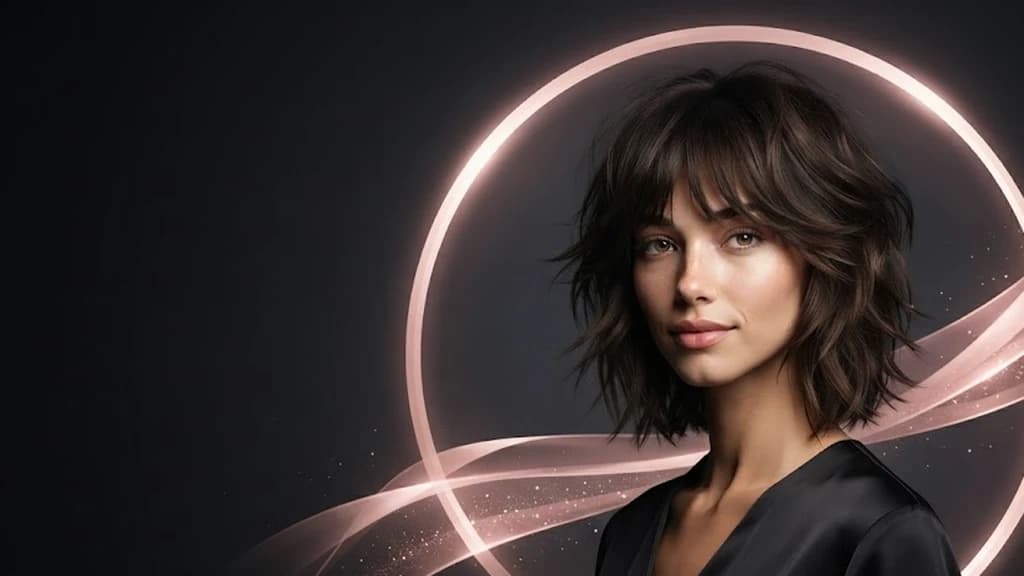
The short answer
A shag and a wolf cut are cousins, not twins. The shag is a soft, rooted layered cut with wispy face-framing and a lived-in 70s feel. The wolf cut is edgier: a heavier disconnection between short, spiky crown layers and longer ends, borrowing from the mullet. Choose a shag for grown-up, wearable texture; choose a wolf cut for volume, attitude and a bolder shape.
If you've been saving texture-heavy haircut photos and can't tell whether you're looking at a shag or a wolf cut, you're not alone — the two blur together constantly. They share the same DNA: layers, movement and that undone, "I woke up like this" energy. But they're not the same cut, and knowing the difference changes what you ask for at the salon.
Here's exactly how the shag and the wolf cut differ, who each one flatters, and how to preview both on your own photo before you commit.
The short answer: cousins, not twins
Both cuts are built on layers and texture, but they land in different places. A shag is soft, blended and rooted in the 1970s — think wispy face-framing, feathered ends and a lived-in finish that's easy to wear. A wolf cut is the bolder relative: it pushes the layering further with a heavier disconnection between a short, spiky, volume-packed crown and much longer ends, borrowing openly from the mullet.
If a shag whispers "effortless cool girl," a wolf cut says "editorial and a little bit rebellious."
What is a shag haircut?
The shag is all about soft, feathered layers that get shorter toward the crown and longer toward the ends, with face-framing pieces that graze the cheekbones. It's forgiving, flattering and endlessly adaptable — you'll see it long, mid-length and short.
The magic of a shag is how gently everything blends. There's no harsh line between the layers, so it grows out beautifully and never looks like it needs an emergency trim. Curtain bangs or a wispy fringe usually complete the look. On fine hair it creates the illusion of fullness; on thick or wavy hair it removes bulk and lets the natural movement breathe.
Stylist tip: ask for "connected, feathered layers with soft face-framing." That phrasing keeps the shag blended and wearable, rather than accidentally tipping into wolf-cut territory.
What is a wolf cut?
The wolf cut is where the shag meets the mullet. It keeps the shaggy texture but adds a much stronger contrast: the top and crown are cut short and choppy for maximum volume, then the length drops off dramatically toward the back and ends.
That disconnection is the whole point. The crown looks almost spiky and lifted, the ends stay long and piecey, and the overall silhouette is fuller up top and shaggier around the face. It reads younger, edgier and more fashion-forward, which is exactly why it took off online. The trade-off is upkeep: because the shape depends on that deliberate contrast, it needs regular trims and daily styling to keep from looking simply overgrown.
Shag vs wolf cut: side by side
Here's the quick comparison to settle the confusion:
| Feature | Shag | Wolf Cut |
|---|---|---|
| Layering | Soft, blended, feathered | Heavy, disconnected, choppy |
| Crown volume | Moderate, natural | High and spiky |
| Inspiration | 1970s rock shag | Shag plus mullet |
| Overall vibe | Effortless, lived-in, grown-up | Edgy, bold, fashion-forward |
| Face-framing | Wispy, cheekbone-grazing | Piecey, dramatic |
| Maintenance | Lower, grows out softly | Higher, needs frequent trims |
| Best for | Everyday, low-fuss texture | Volume, attitude, a statement |
Neither is "better" — they're different answers to the same craving for movement and texture.
Which one suits you?
Choose a shag if you want texture you don't have to think about. It flatters almost every face shape, grows out gracefully and works whether your hair is straight, wavy or curly. It's the safer, more polished, more office-friendly pick, and it ages up or down easily.
Choose a wolf cut if you want volume and a bit of edge. It's especially rewarding on flat, fine hair that needs lift, and on anyone who enjoys styling their hair a little each morning. Just go in knowing the shape is higher-maintenance and makes more of a statement.
Stylist tip: bring reference photos, and say out loud how much disconnection you want. "Blended and soft" versus "choppy with real contrast at the crown" tells your stylist instantly which side of this showdown you're on.
A word on hair type and face shape
Both cuts play to your natural texture. Wavy and curly hair takes to the shag effortlessly, letting the layers spring into shape. On fine or straight hair, the wolf cut's crown volume can be a real gift, though you'll rely on a texturising spray and a little rough-drying to hold it.
For rounder faces, the vertical lift of a wolf cut's crown adds flattering length, while a shag's cheekbone-grazing pieces slim and soften. Longer face shapes often prefer the shag, since its width around the face balances the length. As always, these are guidelines — the real test is seeing the shape on your own features.
See both on your own face first
The honest truth is that a shag and a wolf cut can look wildly different on two people with the same reference photo. The only way to know which one is your haircut is to see it on your own features. Upload a selfie, preview a shag or a bolder textured cut on your own photo, and compare the silhouette side by side. Your face stays unchanged; only the haircut transforms.
Try both looks on your own photo — it takes seconds, and it turns "I think I'd suit that" into "I know I do."
See it on your own face
Upload a selfie and preview the short shag in seconds — your face stays unchanged.
Frequently asked questions
What is the difference between a shag and a wolf cut?
Both are layered, textured cuts, but the wolf cut has a heavier, more disconnected shape — short, volume-heavy crown layers that jump to much longer ends, borrowing from the mullet. A shag is softer and more blended, with wispy face-framing and a lived-in 70s feel that's easier to wear day to day.
Is a wolf cut just a modern shag?
It's a close relative. The wolf cut takes the shag's layering and pushes it further with more disconnection and spikier crown volume, plus a nod to the mullet. Think of the wolf cut as the shag's bolder, edgier sibling rather than the same haircut under a new name.
Which is easier to maintain, a shag or a wolf cut?
A shag is generally more forgiving. Its blended layers grow out softly and style with a little texture spray. A wolf cut's stronger disconnection and crown volume can look overgrown faster and usually needs more frequent trims plus daily styling to keep the shape sharp.
Can I get a shag or wolf cut on shorter hair?
Yes. Both work at shorter lengths — a short shag sits around the chin to collarbone, and a short wolf cut keeps the spiky crown but trims the longer ends. On very fine hair the shag tends to look fuller and more polished, while the wolf cut reads bolder and needs more product.
Preview these on your photo
Keep reading
Short Haircuts AI previews are AI-generated illustrations to help you decide. Real salon results depend on your hair and your stylist. See our AI Disclaimer.