Undercut Pixie vs Classic Pixie: Which Short Cut Is Right for You?
The short answer
A classic pixie is tapered and blended all over, soft and low-maintenance, and flatters almost everyone. An undercut pixie shaves or clippers the sides and back much shorter, leaving a bold contrast and more length on top for edge and styling drama. Choose classic for effortless, grow-out-friendly wear; choose undercut for a striking, textured look you're happy to reshape every few weeks.
If you've decided on a pixie but keep bouncing between the soft, timeless version and the bold shaved-sided one, you're weighing two genuinely different haircuts. Both are short. Both are gorgeous. But they ask for different upkeep, suit slightly different hair types, and send very different signals.
Here's exactly how an undercut pixie and a classic pixie differ, who each one flatters, and how to preview both on your own photo before you commit.
What is a classic pixie?
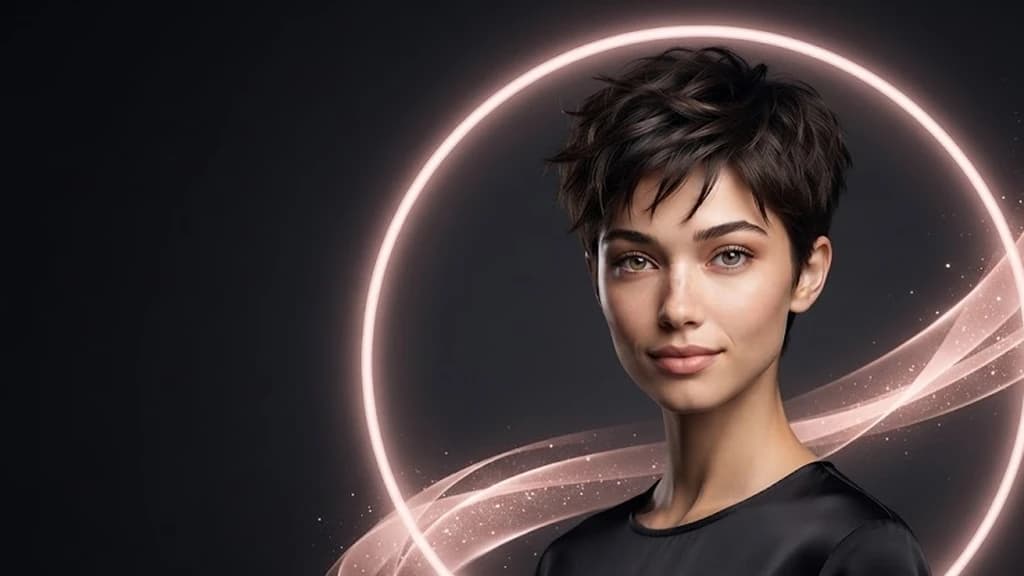
A classic pixie is short all over, tapered and blended from a slightly longer top down to close, softly graduated sides and nape. Nothing is shaved. The whole cut flows together, which is what gives it that effortless, feminine, wash-and-go feel.
It's the version most people picture when they hear "pixie." Because the length change is gradual, it grows out kindly and forgives a missed trim. You can wear it sleek, tousled, or swept to one side, and it flatters an enormous range of faces.
Stylist tip: ask for "a tapered pixie with soft layers on top and a longer fringe." That longer top gives you styling options and makes the grow-out phase far easier to live with.
What is an undercut pixie?
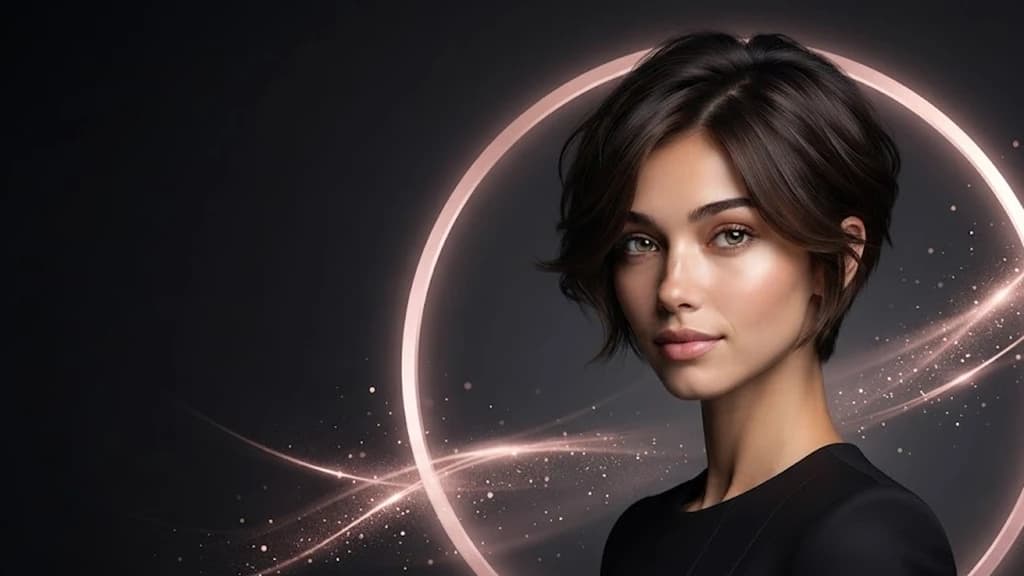
An undercut pixie keeps length and texture on top but takes the sides and back down dramatically shorter, often with clippers, so there's a clear, deliberate contrast rather than a blend. That shaved or buzzed section is the "undercut."
The result is edgier and more architectural. You can hide the undercut by letting the top fall over it, or show it off with a sharp side part or a swept-back style. It's a favourite for anyone who wants short hair with real attitude, and it's brilliant for adding the illusion of height and thickness on top.
Undercut pixie vs classic pixie: side by side
Here's the honest comparison, feature by feature.
| Feature | Classic Pixie | Undercut Pixie |
|---|---|---|
| Sides & back | Tapered, blended, softly graduated | Clippered very short, sharp contrast |
| Overall vibe | Soft, timeless, feminine | Bold, edgy, architectural |
| Top length | Short to medium | Usually longer for contrast |
| Maintenance trim | Every 5-6 weeks | Every 3-4 weeks |
| Grow-out ease | Grows out gracefully | Grows out awkwardly at first |
| Best for fine hair | Yes, with layers | Yes, concentrates volume on top |
| Styling versatility | Sleek, tousled, side-swept | Hidden undercut or shown-off part |
| Reversibility | — | Can be added to a classic in one visit |
Neither is "better." The right one depends on how much upkeep you enjoy and how much drama you want.
Which one suits your hair type?
Both pixies work across hair types, but the details matter. On fine hair, an undercut can be genuinely flattering because removing weight at the sides pushes all the visual volume to the top, where you want it. A classic pixie also suits fine hair beautifully when it's cut with soft internal layers for lift.
On thick or coarse hair, an undercut is a practical dream: it removes bulk that would otherwise sit heavy and wide, leaving a clean, controllable shape. A classic pixie on thick hair needs skilled internal texturising so it doesn't puff out.
Wavy and curly hair love the classic taper, which lets the natural pattern show. An undercut on curls creates striking contrast between smooth shaved sides and textured curls up top — bold, but very cool.
Which one suits your face shape?
The good news: a pixie flatters most face shapes when it's adapted correctly. For a round or full face, keep height and length on top and taper the sides close; both pixies can do this, and an undercut exaggerates that lengthening effect. For a long or oval face, a softer classic pixie with a fuller fringe keeps proportions balanced.
Strong, angular jawlines pair beautifully with the sharpness of an undercut. Softer, rounder features often look loveliest in the blended warmth of a classic. Still, these are guidelines, not rules — which is exactly why previewing on your own face beats guessing.
How to ask your stylist for the right one
Bring specifics, not just a screenshot of a stranger. Say whether you want the sides blended (classic) or clippered with contrast (undercut), how long you want the top, and how often you can realistically get to the salon.
A written Salon Brief that spells out the front, sides, back and upkeep protects you from the "that's not what I meant" moment in the chair. It also lets you and your stylist agree on the exact length of the undercut, which is the detail people most often forget to specify.
See both on your own face first
Photos of models only tell you so much. The honest way to choose between an undercut pixie and a classic pixie is to see each one on your features, side by side.
Upload a selfie, preview a soft classic pixie and a bold undercut pixie on your own photo, and compare the proportions. Your face stays exactly as it is; only the haircut transforms. It takes seconds, and it turns "I think I'd suit it" into a decision you can actually trust. Try both looks on your own photo here.
See it on your own face
Upload a selfie and preview the pixie in seconds — your face stays unchanged.
Frequently asked questions
What is the difference between an undercut pixie and a classic pixie?
A classic pixie is tapered and blended smoothly from top to sides. An undercut pixie clippers the sides and back very short, creating a sharp contrast with the longer top. The undercut reads bolder and more textured; the classic reads softer and more traditional.
Is an undercut pixie harder to maintain than a classic pixie?
Yes, slightly. The shaved sides of an undercut pixie grow out fast and usually need a trim every three to four weeks to stay crisp. A classic tapered pixie grows out more gracefully and can stretch to five or six weeks between cuts.
Which pixie is better for fine hair?
An undercut pixie can make fine hair look thicker on top because removing bulk at the sides concentrates volume up high. A classic pixie also flatters fine hair when cut with soft layers. Both work — the undercut just gives a more dramatic result.
Can I turn a classic pixie into an undercut pixie later?
Absolutely. Because the top length stays similar, a stylist can add an undercut to an existing classic pixie in one appointment. Going the other way — growing an undercut back into a blended taper — takes a few months of patience.
Preview these on your photo
Keep reading
Short Haircuts AI previews are AI-generated illustrations to help you decide. Real salon results depend on your hair and your stylist. See our AI Disclaimer.