The Ultimate Guide to Short Haircuts for Women
The short answer
The four short haircuts worth knowing are the bob, the pixie, the bixie and the short shag. Choose by matching length and volume to your face shape and hair texture: longer, layered shapes soften and lengthen, while cropped, textured cuts add height and edge. Preview any of them on your own photo before you book, so you commit with confidence rather than hope.
Cutting your hair short is one of the fastest ways to feel like a new version of yourself, and it suits far more women than most people assume. The trick isn't picking whatever looks good on someone else. It's matching the shape of the cut to your face and your hair.
This guide walks you through the four short haircuts worth knowing, who each one flatters, how to ask for it clearly, and how to preview the look on your own photo before you sit in the chair.
The four short haircuts worth knowing
Short hair isn't one thing. Almost every flattering short cut is a variation on four shapes, and once you know them, the whole world of salon photos suddenly makes sense.
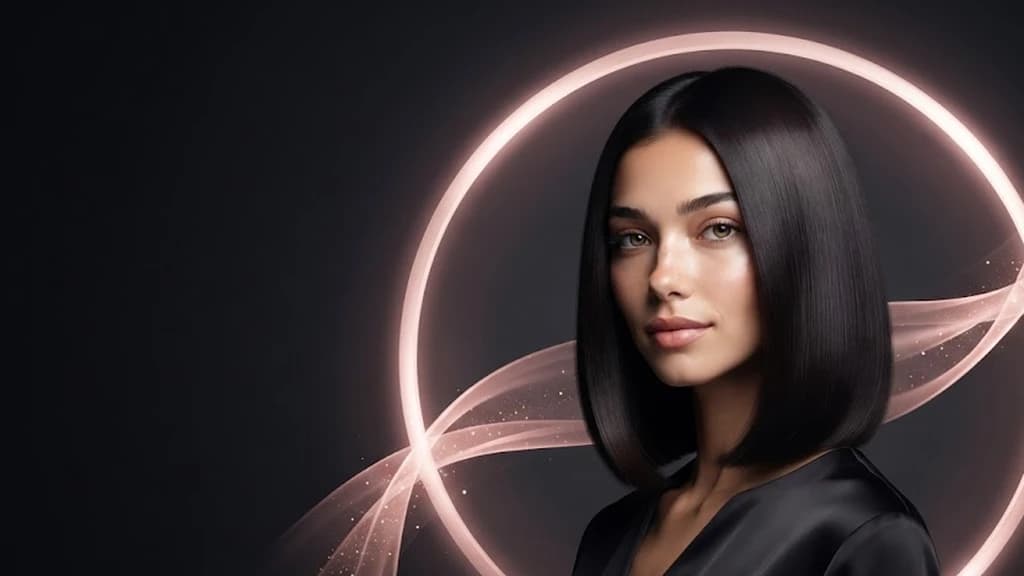
- The bob — a clean, one-length or gently graduated cut, usually chin to collarbone. The most versatile and beginner-friendly.
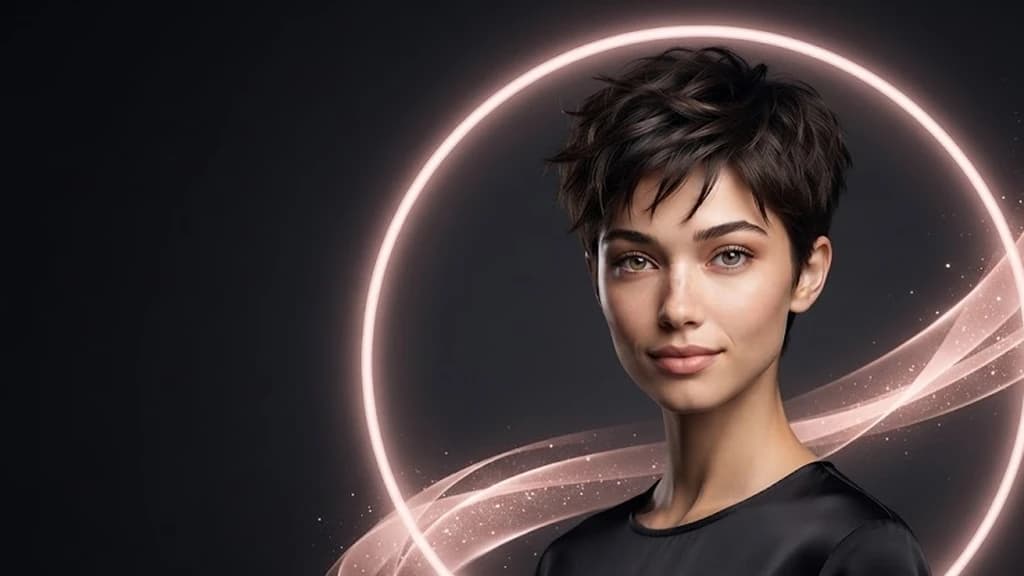
- The pixie — cropped short at the sides and back, with length kept on top for shape and styling.
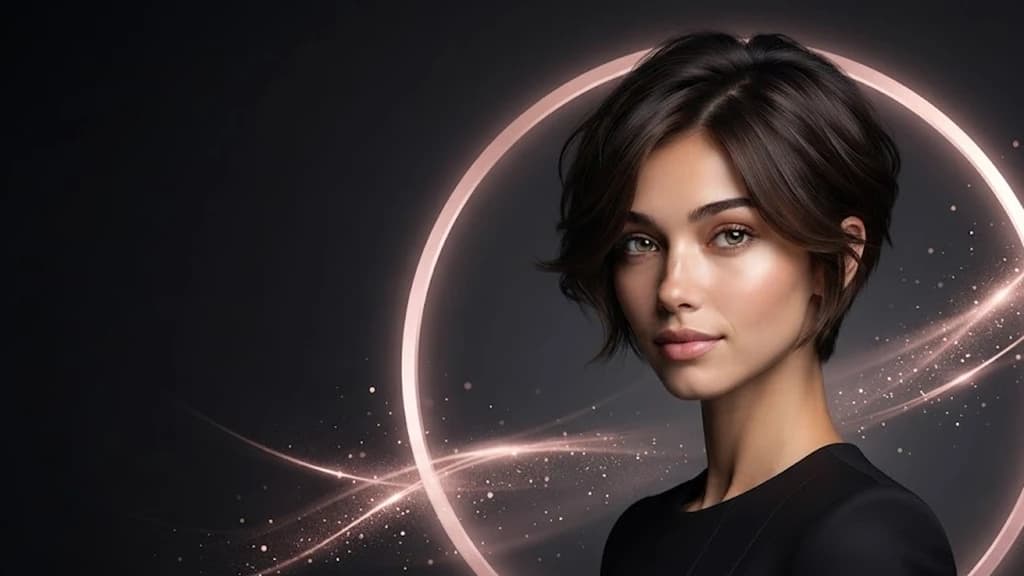
- The bixie — a hybrid of bob and pixie: short like a pixie but softer, longer and more layered, so it feels less severe.
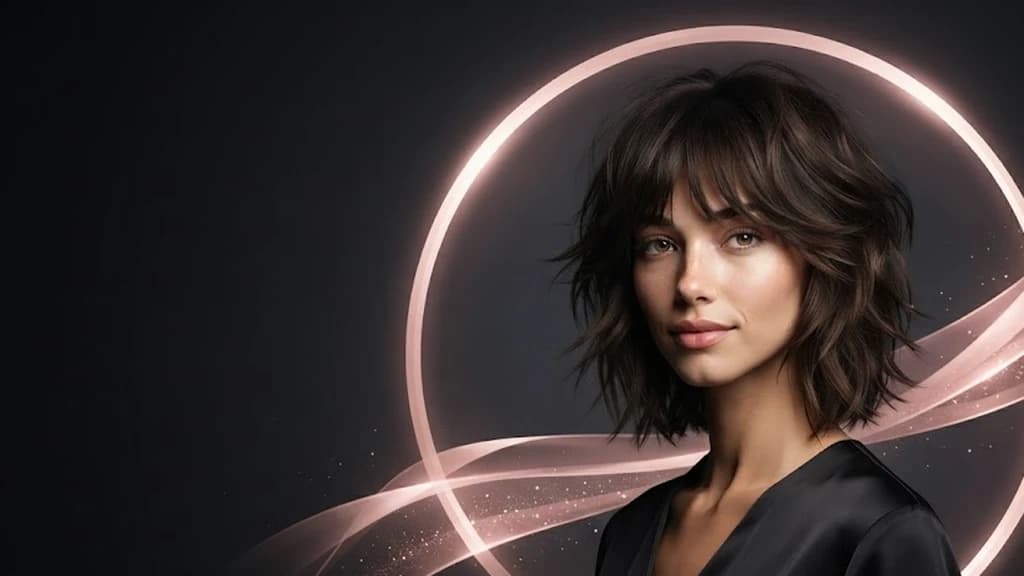
- The short shag — heavily textured with choppy layers and often curtain bangs, for movement and an effortless, lived-in feel.
Everything else, from a French crop to an A-line bob, is a cousin of one of these.
How do I choose the right short haircut for my face?
The honest answer: match length and volume to your face shape, then adjust for your hair type. The guiding principle is simple. Add length or height where you want to draw the eye longer, and keep fullness away from the widest part of your face.
Here's a quick starting point by face shape:
- Round face. Reach for vertical lift: a longer bob, a pixie with height on top, or a shag with curtain bangs. Side parts and face-framing pieces are your friends. Avoid blunt, cheek-length shapes with a centre part.
- Oval face. The lucky all-rounder. Nearly every short cut works, so choose by hair texture and lifestyle instead.
- Square or angular jaw. Softness balances strong lines. Wispy layers, textured pixies and rounded bobs take the edge off beautifully.
- Long or oblong face. Add width and interruption: a fuller, chin-length bob, a fringe, or a shag with bangs to visually shorten.
- Heart-shaped face. A bob that hits around the jaw balances a narrower chin, and side-swept bangs soften a wider forehead.
Stylist tip: bring two or three reference photos of women with a similar face shape and hair texture to yours, not just a celebrity you admire. Your stylist can adapt any cut, but they cut for your proportions, not the photo's.
Which short haircut suits my hair type?
Texture changes everything. The same bob behaves like two different haircuts on pin-straight versus tightly curled hair, so it matters as much as face shape.
Fine hair loves blunt lines. A one-length bob creates the illusion of thickness, while a short crop with a little product can look surprisingly full. Go easy on heavy layering, which can leave fine ends looking wispy. Thick hair benefits from internal layers that remove bulk, so a shag or a layered bob sits well instead of turning into a triangle. Wavy and curly hair is made for the shag and the bixie: those choppy, textured layers let the natural pattern do the styling for you.
Bob vs pixie: which should you choose?
The two most popular short cuts sit at opposite ends of the commitment scale. A bob is the gentle, grow-out-friendly change; a pixie is the bold, low-fuss statement. This table lays out the trade-offs.
| Bob | Pixie | |
|---|---|---|
| Length | Chin to collarbone | Cropped, length on top |
| Commitment | Low, easy to grow out | Higher, needs regular trims |
| Daily styling | A few minutes for a sleek finish | Fast: product and go |
| Best for | First-timers, fine hair wanting density | Bold looks, thick or wavy hair |
| Salon visits | Every 8 to 10 weeks | Every 4 to 6 weeks to hold shape |
Neither is "better." If you want change without the leap, start with a bob. If you want the freedom of almost no styling and don't mind more frequent trims, the pixie is liberating.
How to ask your stylist for a short haircut
Vague requests lead to disappointing results, so be specific about four things: the overall length, how the sides and back are handled, whether you want layers or a blunt finish, and how much fringe you want. Naming the shape ("a soft A-line bob with a side part" or "a longer pixie with textured top") tells your stylist far more than "just something short."
A written Salon Brief that spells out the front, sides, back and upkeep removes the guesswork entirely. The ShortHaircuts try-on generates one automatically for whichever style you preview, so you can hand it straight to your stylist.
See it on your own face before you commit
Face-shape and hair-type rules are guidelines, not guarantees, and the only way to truly know is to see the cut on your features. That's the whole point of previewing first.
Upload a selfie, preview a bob, pixie, bixie or shag on your own photo, and compare the proportions side by side. Your face stays exactly the same; only the haircut transforms. It takes seconds, and it turns a nervous "I hope this suits me" into a confident "I know it does" before you ever pick up the phone to book.
See it on your own face
Upload a selfie and preview the bob in seconds — your face stays unchanged.
Frequently asked questions
What is the easiest short haircut to maintain?
A textured pixie or a short shag is usually the lowest effort, because a little tousle and product is often all it needs. A blunt bob looks sleekest with regular styling, so it can ask for slightly more time on busy mornings.
How do I know which short haircut suits my face shape?
As a rule, add length or height where you want to lengthen, and keep width away from the widest part of your face. Round faces love vertical volume and side parts; long faces suit a fuller bob or fringe. Previewing on your own photo removes the guesswork.
Can I get a short haircut if I have fine hair?
Yes, and short cuts often make fine hair look thicker. Blunt, one-length bobs create the illusion of density, while soft, piece-y layers add movement. The key is not over-layering, which can make fine hair look wispy at the ends.
How short is too short for a first-timer?
If you have never gone short, a chin-to-collarbone bob is the gentlest first step. It is a real change without the commitment of a cropped pixie, and it grows out easily if you want to keep going.
Preview these on your photo
Keep reading
Short Haircuts AI previews are AI-generated illustrations to help you decide. Real salon results depend on your hair and your stylist. See our AI Disclaimer.