Thinking of Going Short? A First-Timer's Checklist

The short answer
Before your first short cut, work through five things: your face shape, your hair's natural texture and density, how much daily styling you'll actually do, a clear reference photo, and a preview of the look on your own face. Nail those and the big chop feels exciting, not risky. The most common regret is going shorter than expected, so agree on a specific length with your stylist first.
So you're thinking about it. Maybe you've saved a dozen pixie photos, or you're just tired of long hair that takes forever to dry. Going short for the first time is a genuinely thrilling change — and a little nerve-wracking, because it feels harder to undo than a new colour.
Good news: most first-timer regret comes down to a handful of things you can plan for. Work through this checklist before your appointment and you'll walk in confident, not anxious.
Start with your face shape
Your face shape is the first thing a good stylist reads, and it's the easiest lever you can plan around. The core idea is balance: short cuts flatter most when they add the dimension your face is missing. Longer, oval-ish faces suit almost anything. Rounder faces love a little height on top and length past the chin. Square jaws soften beautifully under wispy, textured layers.
Don't treat these as hard rules, though. They're starting points a skilled stylist adapts to your features — your hairline, your neck length, the set of your cheekbones. A round face can wear a great pixie; it just wants height and a side-swept fringe rather than a blunt, heavy one.
Stylist tip: if you're unsure of your face shape, pull your hair back, take a straight-on photo, and trace the outline. It's more honest than the mirror, where we all instinctively tilt to our "good side."
Be honest about your hair type
Your natural texture and density decide how a cut behaves far more than the reference photo does. Fine hair often looks fuller and bouncier when it goes short, because you lose the weight that was dragging it flat. Thick or coarse hair can be gorgeous short too, but it needs internal layering so it doesn't sit like a helmet.
Curly and wavy hair deserves special mention. A short cut on curls can be stunning, but it must be cut with the curl pattern in mind, ideally by someone who cuts curls dry. The same length looks completely different straight versus curly, so bring photos of hair like yours, not a sleek blowout you don't actually wear day to day.
How much styling will you really do?
Here's the question that quietly decides your happiness: how much time will you honestly spend on your hair each morning? Be realistic, not aspirational. A textured pixie you tousle with a little paste is a two-minute style. A precise, glassy bob that needs a round brush and blow-dry is a bigger daily commitment.
Short hair shortens some tasks and adds others. Below is the honest trade-off most first-timers don't hear until after the cut.
| Task | Long hair | Short hair |
|---|---|---|
| Wash & dry time | Long | Very short |
| Daily styling | Optional, tie-it-up days | Shape usually needs a quick style |
| Salon trims | Every 8-12 weeks | Every 4-6 weeks to hold the shape |
| Product needed | Length-focused (conditioner, oil) | Texture-focused (paste, powder, light hold) |
| Grow-out flexibility | High | Lower — awkward phase is real |
Neither column is "better." It's about which upkeep suits your actual life. If a four-to-six-week trim cycle sounds like a lot, a longer bob holds its shape longer than a pixie.
Bring the right reference photo
The single most useful thing you can do is bring specific, realistic reference images. Two or three photos showing the exact length, from the front and the side, beat one flattering angle every time. Choose models with hair texture close to yours so the result is achievable, not a mirage.
Be precise about length above all else. Vague briefs like "just a bit shorter" are how people end up surprised. If you mean "chin length," say chin length; if you mean "I still want to tuck it behind my ears," say that. Specificity is kindness — to you and your stylist.
Stylist tip: photograph the back of hairstyles you like too. First-timers obsess over the front, but the nape and how the cut sits on your neck is what you'll see in every other mirror.
Plan the grow-out before you cut
The part nobody warns you about is the middle. Every short cut goes through an in-between stage on the way back to long, and having a plan makes it painless instead of frustrating. Ask your stylist how this specific shape grows out and what the next two or three trims would look like.
A pixie grows into a longer, shaggier crop, then a bixie, then a bob — each stage can look intentional if it's shaped along the way. Knowing the roadmap removes the fear of "what if I hate it." You're not locked in; you're on a path with exits at every length.
See it on your own face first
The honest truth is that no checklist beats seeing the cut on your features. Face-shape and texture guidance narrows things down, but the moment it clicks is when you see a pixie or bob on your own photo instead of a stranger's.
That's exactly what the try-on is for. Upload a selfie, preview a bob, pixie, bixie or shag, and compare the proportions side by side. Your face stays completely unchanged — only the haircut transforms. You can even copy a stylist-ready brief for whichever look wins. It turns "I think I'd suit this" into "I know I do."
Ready to stop wondering? Preview your short haircut on your own photo and walk into your appointment sure of the look.
See it on your own face
Upload a selfie and preview the pixie in seconds — your face stays unchanged.
Frequently asked questions
How do I know if I'll suit short hair before I cut it?
Face-shape guidelines help, but they're not guarantees. The most reliable way is to preview the cut on your own photo first — upload a selfie, try a bob or pixie, and see the real proportions on your face before you sit in the chair.
Will short hair be higher maintenance than my long hair?
It's a trade-off. Short hair takes seconds to wash and dry, but the shape needs a trim every four to six weeks to stay sharp. Long hair skips the frequent trims but takes far longer to wash, dry and style each day.
What should I bring to my first short-hair appointment?
Bring two or three reference photos of the exact length and shape you want, ideally on similar hair texture to yours. Being specific about length matters most — 'going shorter than expected' is the number-one first-timer regret.
Should I go short gradually or all at once?
Either works. If you're nervous, drop to a long bob first, live with it for a cycle, then go shorter. If you're sure, one appointment is fine — just agree on a clear length so there are no surprises.
Preview these on your photo
Keep reading
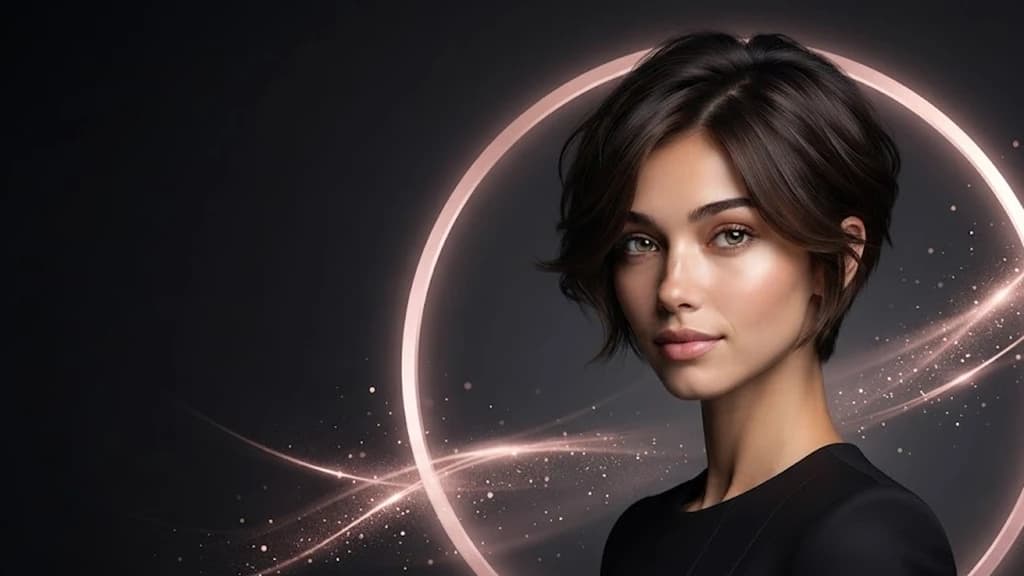


Short Haircuts AI previews are AI-generated illustrations to help you decide. Real salon results depend on your hair and your stylist. See our AI Disclaimer.