Types of Short Haircuts, Explained (Bob, Pixie, Bixie & Shag)
The short answer
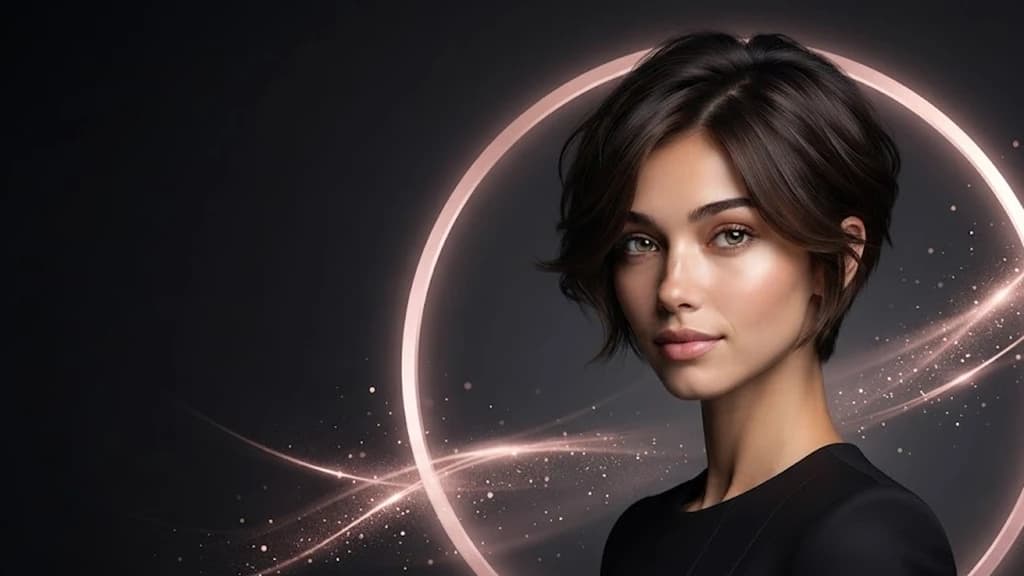
The four main short haircuts are the bob (chin-to-collarbone, one clean shape), the pixie (short and cropped, styled close to the head), the bixie (a pixie-bob hybrid with more length and texture on top), and the shag (choppy layers with fringe and lots of movement). Choose by length, upkeep, and how much texture you want: bobs are the most versatile, pixies the lowest-maintenance, bixies the softest short option, and shags the most effortless and lived-in.
Short hair isn't one look, it's a whole family of them. When you picture "going short," you might be imagining anything from a sleek chin-length bob to an airy, textured crop. Knowing the difference between the four main types, the bob, pixie, bixie and shag, makes it far easier to pick the one that fits your hair, your face and how much time you actually want to spend styling.
Here's a clear, no-jargon breakdown of each, who it tends to flatter, and how to preview any of them on your own photo before you sit in the chair.
The four main types at a glance
Every short haircut is really a variation on four core shapes. They differ mostly in length, how close they sit to the head, and how much layered texture they carry.
| Style | Length | Texture | Upkeep | Best if you want… |
|---|---|---|---|---|
| Bob | Chin to collarbone | Sleek or lightly layered | Medium | A polished, versatile classic |
| Pixie | Very short | Close, tapered | Higher (frequent trims) | Bold, low-fuss, minimal styling |
| Bixie | Short, longer on top | Piecey, soft | Medium | Pixie ease with softer edges |
| Shag | Short to medium | Choppy, layered | Lower (grows out well) | Effortless, lived-in movement |
Think of it as a spectrum: the bob is the longest and most structured, the pixie the shortest and cleanest, with the bixie and shag sitting in between as the more textured, relaxed options.
What is a bob?
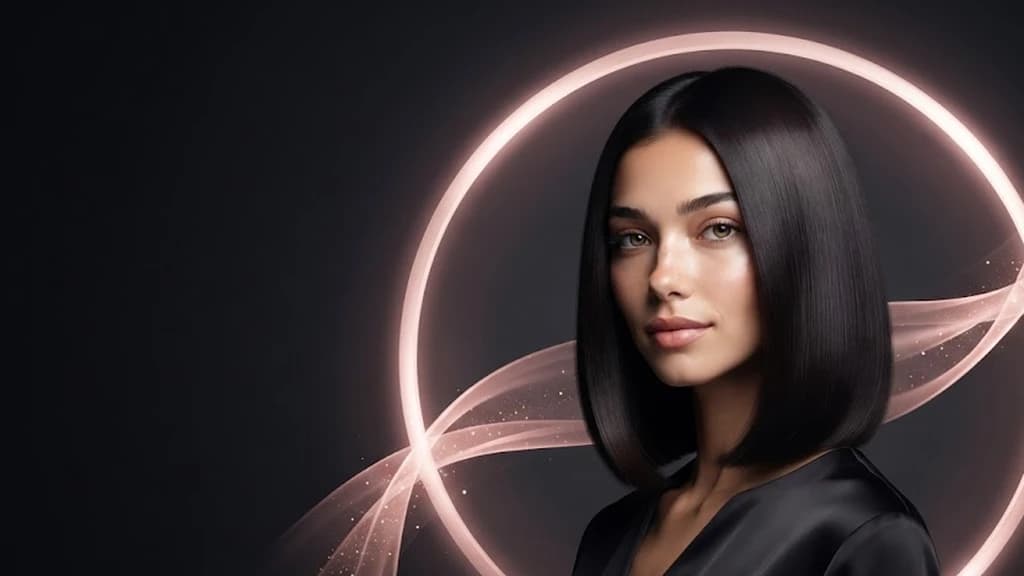
A bob is the most recognisable short cut: hair cut in one clean length somewhere between the chin and the collarbone. It can be blunt for a sharp, modern edge, or softly layered for movement. Variations include the A-line bob (longer at the front), the inverted bob (stacked and shorter at the back), and the ever-popular French bob, which sits just below the ears with a little fringe.
The bob is the great all-rounder. It suits nearly every hair type and face shape once the length and layering are tailored to you. Fine hair loves a blunt bob for the illusion of density; thick hair benefits from a few internal layers to keep it from looking heavy.
Stylist tip: if you're nervous about going short, start with a longer, collarbone-length bob. You keep the option to tuck it back or wear it down, and it's an easy stepping stone toward a shorter cut later.
What is a pixie?
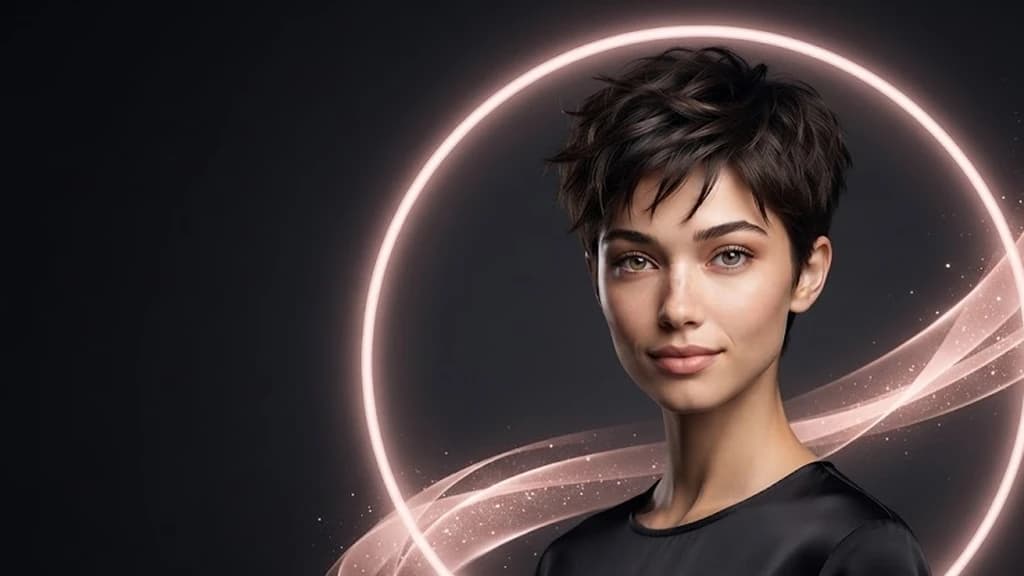
A pixie is cropped short and styled close to the head, usually with tapered sides and back and a little more length on top. It's the boldest of the four and the most freeing once you commit: wash, a little product, done.
Pixies flatter strong features and slender necks especially well, and they can be adapted for almost anyone. Ask for more length and a longer fringe on top if you want softness, or a tighter, more graphic crop if you love a sharp look. The trade-off is upkeep: because the shape is so precise, a pixie needs a trim roughly every four to six weeks to stay looking intentional rather than grown-out.
What is a bixie?
A bixie is exactly what the name suggests: a blend of a bob and a pixie. It keeps the short, tapered sides and back of a pixie but leaves more length and piecey texture through the top and front. The result is softer, a little tousled, and more forgiving than a classic pixie.
Who the bixie suits
The bixie is a brilliant "in-between" for anyone who wants the low fuss of a pixie without feeling too cropped. Because there's length left on top, it grows out more gracefully than a pixie and gives you more ways to style it, tucked, textured, or swept to one side.
Bixie vs pixie
The simplest way to tell them apart: a pixie is styled close to the head, while a bixie has visible length and movement on top that you can push around with your fingers. The bixie trades a little of the pixie's crisp precision for softness and versatility.
What is a shag?
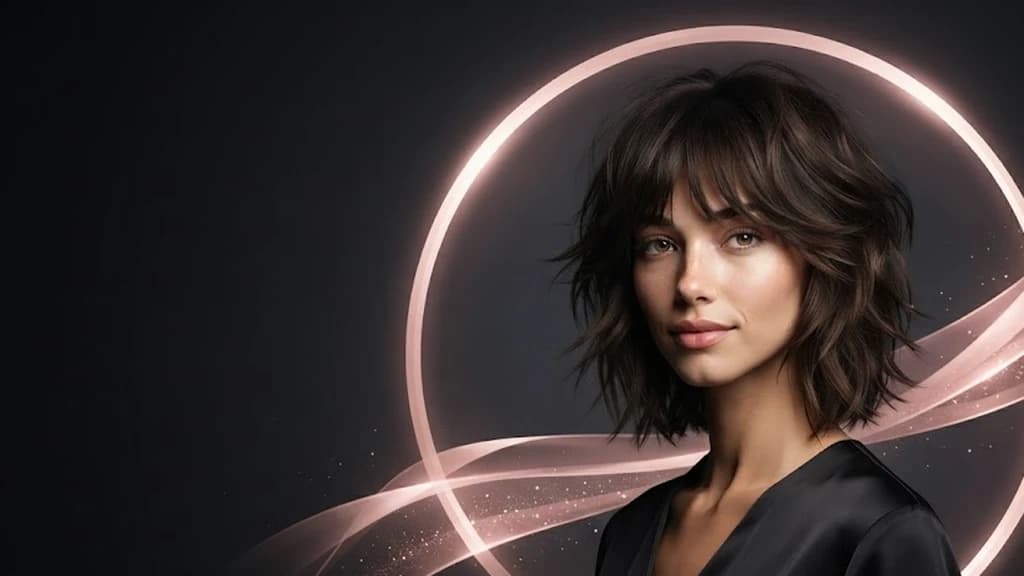
A shag is built on layers rather than length. Choppy, graduated layers and a fringe (often curtain bangs) create lots of volume up top and airy, feathered ends. It can be short or grown toward the shoulders, but the hallmark is the same: relaxed, rock-and-roll movement.
The shag is the most effortless of the four to live with. It's designed to look a little undone, so it grows out beautifully and needs the fewest salon visits between cuts. It's a natural fit for wavy and curly textures, which fall right into the layered shape, though a good stylist can cut a shag for straight hair too.
How to choose between them
Start with three honest questions: How much length am I comfortable losing? How much time do I want to spend styling? How much texture do I like? Your answers point you straight to a shape.
- Want polished and versatile? A bob.
- Want bold and truly wash-and-go? A pixie.
- Want pixie-easy but a touch softer? A bixie.
- Want effortless, textured, grows-out-well? A shag.
Face shape matters too, but less than most people fear. Layers, fringe and parting can adapt any of these four to flatter you, which is why seeing the cut on your own face beats guessing from a chart.
See it on your own face first
The honest truth is that these descriptions only take you so far, the same cut looks different on every head of hair. The quickest way to decide is to see each one on your features. Upload a selfie, preview a bob, pixie, bixie or shag on your own photo, and compare them side by side. Your face stays unchanged; only the haircut transforms.
Try the looks on your own photo →
It takes seconds, and it turns "I wonder which would suit me" into a confident decision you can take straight to your stylist.
See it on your own face
Upload a selfie and preview the bixie in seconds — your face stays unchanged.
Frequently asked questions
What is the difference between a bob, a pixie, a bixie and a shag?
A bob sits between the chin and collarbone in one clean shape. A pixie is cropped short and styled close to the head. A bixie is a pixie-bob hybrid with extra length and texture on top. A shag is any short-to-medium cut built on choppy layers and a fringe for movement.
What is a bixie haircut, exactly?
A bixie blends a bob and a pixie: it keeps a pixie's short, tapered sides and back but leaves more length and piecey texture on top and at the front. It reads softer and more feminine than a classic pixie while staying easy to wear and quick to dry.
Which short haircut is the lowest maintenance?
A classic pixie is usually the lowest daily maintenance because there's so little hair to style. It does need a trim roughly every four to six weeks to keep its shape, though. A shag needs the fewest salon visits between cuts because it grows out softly.
How do I know which short haircut suits me before I cut it?
Preview it on your own photo first. Upload a selfie to the ShortHaircuts try-on, pick a bob, pixie, bixie or shag, and see the proportions on your face. Your features stay unchanged, only the haircut is transformed, so you can compare them side by side.
Preview these on your photo
Keep reading
Short Haircuts AI previews are AI-generated illustrations to help you decide. Real salon results depend on your hair and your stylist. See our AI Disclaimer.