Bob vs Pixie: How to Choose the Right Short Cut for You
The short answer
Choose a bob if you want flexibility — you can tuck it, tie a little back, or style it long or sleek — with salon trims every 6 to 8 weeks. Choose a pixie if you want the lowest daily effort and boldest look, accepting a trim roughly every 4 to 6 weeks to keep the shape. Face shape, hair texture and how much time you'll spend styling matter more than trends.
Choosing between a bob and a pixie usually comes down to one honest question: how much time do you want to spend on your hair, and how bold do you want to feel? Both are timeless, flattering short cuts. The difference is in the trade-offs — versatility versus effortlessness, softness versus statement.
Here's how the two really compare, which suits your face shape and hair texture, and how to see both on your own photo before you decide.
The quick difference between a bob and a pixie
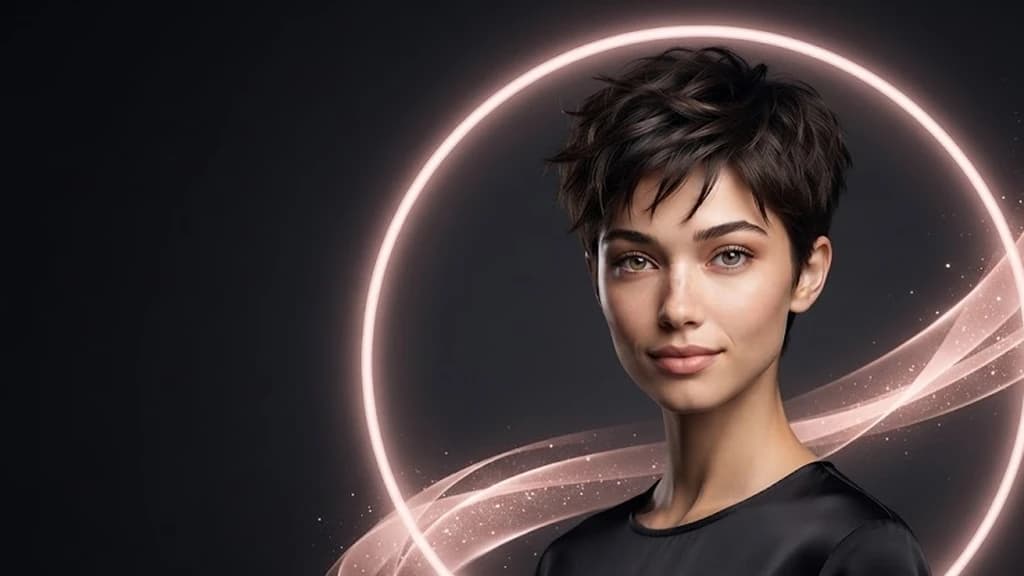
A bob falls somewhere between the earlobe and the collarbone, keeping enough length to tuck, part, or tie a small section back. It's the more flexible of the two. A pixie is cropped short and close, tapered around the ears and neck, often with a little more length and texture left on top. It's the bolder, lower-effort choice.
Think of it this way: a bob gives you options, and a pixie gives you ease.
Bob vs pixie at a glance
| What matters | Bob | Pixie |
|---|---|---|
| Length | Earlobe to collarbone | Cropped, close to the head |
| Daily styling time | Moderate — blow-dry or air-dry with product | Minimal — often just fingers and a little product |
| Salon trim frequency | Every 6 to 8 weeks | Every 4 to 6 weeks |
| Versatility | High — tuck, pin, part, tie back a little | Lower — one core shape |
| Boldness | Classic and adaptable | Striking statement |
| Grow-out ease | Grows out gracefully | Awkward mid-stage; plan trims |
Which suits your face shape better?
Neither cut is off-limits for any face shape — a skilled stylist adapts both. That said, some general guidance helps.
A bob flatters almost everyone because the length and layers are so adjustable. A softly layered or A-line bob adds a lengthening line, which is why it's the go-to for round faces. Keep it chin-length and blunt and it reads sharp and modern on oval and square shapes.
A pixie looks especially striking on oval, heart-shaped and defined jawlines, where the short sides show off your bone structure and neck. If your face is rounder or fuller, a pixie still works beautifully — just ask for a little more length and height on top to add vertical balance rather than a very short, flat crop.
Stylist tip: bring a photo of the shape you want, not just a celebrity with a different face. Say "I want height on top and tapered sides" rather than only naming a person — your stylist cuts for your proportions, not theirs.
Which suits your hair texture?
Your natural texture changes how each cut behaves. Fine, straight hair often looks fuller in a blunt bob, where the weight and clean line create the illusion of density. A pixie also flatters fine hair, because short lengths sit up rather than falling flat, but it needs regular trims to stay crisp.
If your hair is thick or wavy, a bob may need internal layers so it doesn't puff out at the sides. A pixie handles thickness well when it's textured through — though very coarse or curly hair in a pixie asks for a stylist who cuts curls confidently and dry.
Wave and cowlicks matter too. A strong cowlick can fight a sleek bob but often gives a pixie welcome, effortless movement.
Which is really lower maintenance?
This is where women are often surprised. A pixie wins on daily effort — many mornings need nothing more than a pea of product worked through with your fingers. But it loses on salon maintenance: because there's so little length, even a few weeks of growth changes the shape, so trims every 4 to 6 weeks keep it looking intentional.
A bob is the reverse. It asks for a bit more styling each morning — a rough blow-dry or some product to shape it — but it grows out far more gracefully. You can comfortably stretch to 6 to 8 weeks between cuts, sometimes longer.
So the honest maintenance answer depends on which kind of upkeep you'd rather do: daily minutes, or salon visits.
How to decide, step by step
Ask yourself four quick questions:
- How much morning time do you have? Little to none points toward a pixie.
- Do you like to change your look often? Wanting to tuck, pin or tie back points toward a bob.
- How often can you get to the salon? Every 4 to 6 weeks suits a pixie; every 6 to 8 suits a bob.
- How bold do you feel? A pixie is a statement; a bob is a classic that flexes with you.
If you're still torn between the two, a bixie — a hybrid that's longer than a pixie but shorter than a bob — is a lovely middle ground worth previewing too.
See both on your own photo before you commit
Face-shape and texture guidance are only starting points. The one thing that truly settles the bob-versus-pixie question is seeing each cut on your features, side by side. Upload a selfie, preview a bob and then a pixie on your own photo, and compare the proportions honestly. Your face stays exactly the same; only the haircut changes.
It takes seconds and turns a nervous "I think I'd suit it" into a confident "yes, that one." When you're ready, try both looks on your own photo here and bring the result — plus the Salon Brief it generates — straight to your stylist.
See it on your own face
Upload a selfie and preview the pixie in seconds — your face stays unchanged.
Frequently asked questions
Should I get a bob or a pixie?
Get a bob if you want versatility and a softer transition from long hair — you can still tuck it, pin it, or tie a small section back. Get a pixie if you want the lowest-maintenance daily routine and a bolder, more striking look, and you don't mind more frequent trims to hold the shape.
Is a pixie or a bob easier to maintain day to day?
A pixie is usually faster to style each morning — often just a little product and your fingers. But it needs a salon trim more often, roughly every 4 to 6 weeks, because the short shape grows out quickly. A bob takes a touch more styling but stretches longer between cuts.
Which is more flattering for my face shape, a bob or a pixie?
A bob suits almost every face shape because you can adjust the length and layers. A pixie shines on oval, heart and defined jawlines, and can flatter rounder faces when it's kept longer on top with height. The most reliable answer is to preview both on your own photo first.
Can I go from long hair straight to a pixie?
Yes, but many women step down through a bob first to get used to shorter hair before committing to a pixie. If you already know you love very short hair, going straight to a pixie is perfectly fine — just be ready for more frequent trims.
Preview these on your photo
Keep reading


Short Haircuts AI previews are AI-generated illustrations to help you decide. Real salon results depend on your hair and your stylist. See our AI Disclaimer.