How Short Is Too Short? Finding Your Perfect Length
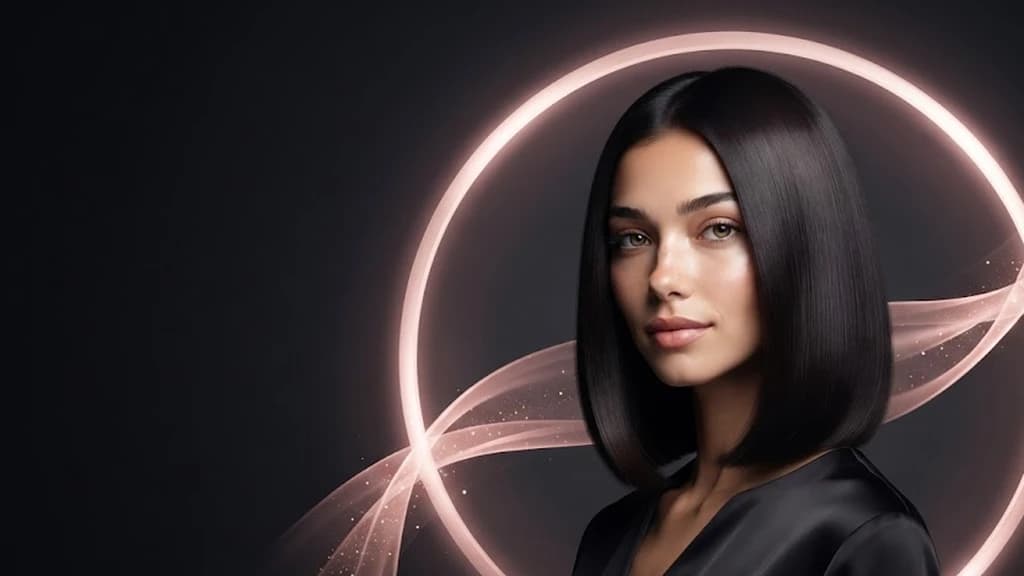
The short answer
There's no single 'too short' — the right length depends on your face shape, hair texture and how much styling time you want. As a rule of thumb, go longer than a blunt chin-line if your face is round or your neck is short, and only go pixie-short if you're happy to style your crown for height. The safest way to decide is to preview each length on your own photo before you commit.
"How short is too short?" is the question every woman asks in the salon chair, usually a beat too late. The honest answer: there's no universal line. Too short is simply the point where a cut stops flattering your face, texture and lifestyle — and that point sits in a different place for everyone.
Below is how to find your own perfect length: the three things that actually decide it, a quick length-by-length guide, and how to preview any cut on your own photo before the scissors come out.
What actually decides your perfect length
Three factors do almost all the work. Get these right and "too short" stops being a gamble.
- Face shape. Oval and long faces carry very short cuts easily. Round and square faces usually flatter better with a little extra length and vertical movement.
- Neck length. A longer neck looks elegant with a crop; a shorter neck often prefers length that grazes the jaw or below, so the cut doesn't sit heavily on the shoulders.
- Hair texture. Fine hair thrives short, where a blunt line looks thick and full. Curly and coily hair shrinks and grows upward, so what feels short today reads much shorter as it dries.
Stylist tip: measure with your fingers, not your imagination. Hold your hair up to the length you're considering and turn side to side in the mirror. If you flinch, drop an inch and preview it first — you can always take more off later.
A length-by-length guide
Here's roughly what each popular short length asks of you, and who it tends to suit.
| Length | Where it falls | Best for | Styling effort |
|---|---|---|---|
| Long bob (lob) | Collarbone | Almost everyone; round or square faces | Low |
| Classic bob | Jaw to chin | Oval faces, fine-to-medium hair | Low–medium |
| Bixie | Between bob and pixie | Wanting short without full commitment | Medium |
| Pixie | Ears and nape exposed | Oval/long faces, longer necks, fine hair | Medium–high |
| Cropped pixie | Very close all over | Confident, low-fuss, strong features | High (regular trims) |
There's no "best" row here — only the one that matches your face, your mornings and your patience for growing it out.
If you're nervous, go in stages
You don't have to leap from long to pixie in one appointment. Cut to a lob first, live with it for a few weeks, then a classic bob, then a bixie. Each step teaches you how you feel with less weight — and it makes the eventual short cut feel like a natural next move rather than a shock.
When shorter genuinely flatters more
Sometimes shorter is the more flattering choice, not the risky one. Fine or limp hair almost always looks fuller short, because a blunt perimeter builds density that layers can't. Delicate features and a long neck are shown off, not hidden, by a crop. And if your styling routine keeps failing, a good short cut can be the lowest-effort way to always look pulled together.
The trick is height. A short cut with volume at the crown and softness around the face lengthens and flatters; a flat, one-length crop with no lift can widen. So "too short" is rarely about the inches — it's about whether the shape keeps that vertical line.
When to hold back a little length
If your face is round or square, your neck is on the shorter side, or your hair is thick and curly with a will of its own, leave yourself some length. Aim for the jaw or below rather than an ear-length crop. You still get the freshness and lightness of short hair, but you keep enough weight to control the shape and enough length to frame the face with a side part or curtain bangs.
None of this is a hard rule. A skilled stylist can adapt almost any length to almost any face — the point is to walk in knowing where your flattering zone likely sits, so the conversation starts from the right place.
How to ask your stylist for the right length
Bring specifics, not just a screenshot of someone with a different face. Tell your stylist where you want the shortest point to fall, whether you want height on top, and how much time you'll realistically spend styling. A Salon Brief — front, sides, back and maintenance spelled out — turns a vague "something short" into a cut made for your proportions. The ShortHaircuts try-on generates one automatically for whichever length you preview.
See your perfect length on your own face first
The truth is that length rules are guidelines, not guarantees — the only way to know how short is too short for you is to see it. Upload a selfie, preview a lob, bob, bixie or pixie on your own photo, and compare the lengths side by side. Your face stays unchanged; only the haircut transforms.
It takes seconds, and it turns "I'm scared to go too short" into a calm, confident decision. Try it on your own photo here.
See it on your own face
Upload a selfie and preview the bob in seconds — your face stays unchanged.
Frequently asked questions
How do I know how short I can go with my hair?
Start with your face shape, neck length and hair texture. Longer necks and oval faces carry very short cuts easily; rounder faces and shorter necks usually suit a chin-to-collarbone length better. Fine hair loves short, but curly and thick hair grows out and up, so factor that in before going pixie-short.
What is the shortest haircut that still looks feminine?
A textured pixie with some length left on top and a soft, side-swept fringe still reads soft and feminine, even at its shortest. The height on top keeps proportions balanced, while tapered sides avoid a boxy shape. It's the length where 'short' and 'pretty' meet most reliably.
Will a very short haircut make my face look bigger or rounder?
It can, if the cut ends right at your widest point with no height on top. To avoid it, keep vertical lift at the crown and add off-centre movement like a side part or curtain bangs. Those lines lengthen the face and stop a short cut from echoing its width.
How can I tell if a short length suits me before cutting?
Preview it on your own photo first. Upload a selfie to the ShortHaircuts try-on, pick a bob, pixie or shag, and compare the lengths side by side. Your face stays unchanged — only the haircut transforms — so you can judge the proportions honestly before booking.
Preview these on your photo
Keep reading
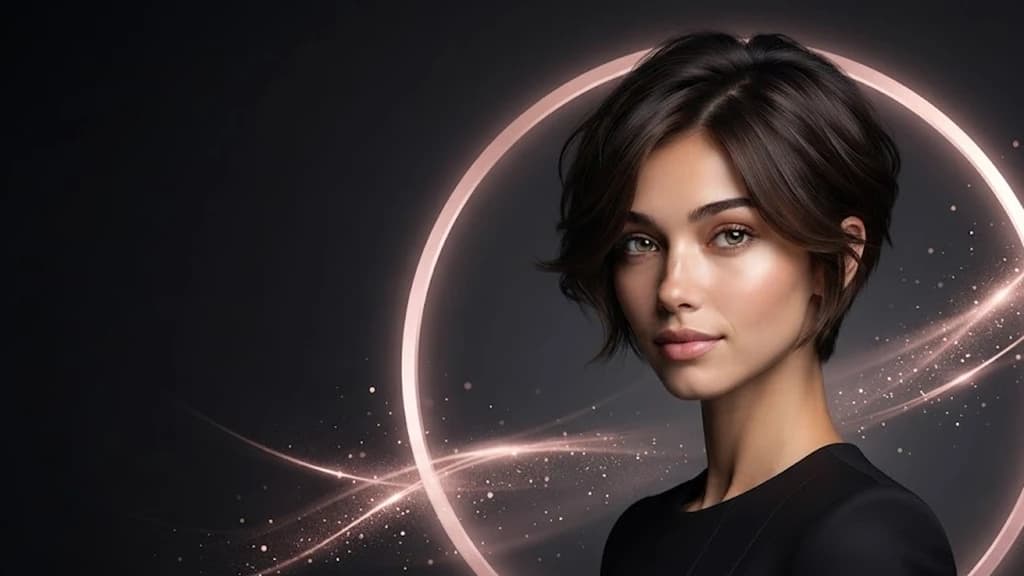
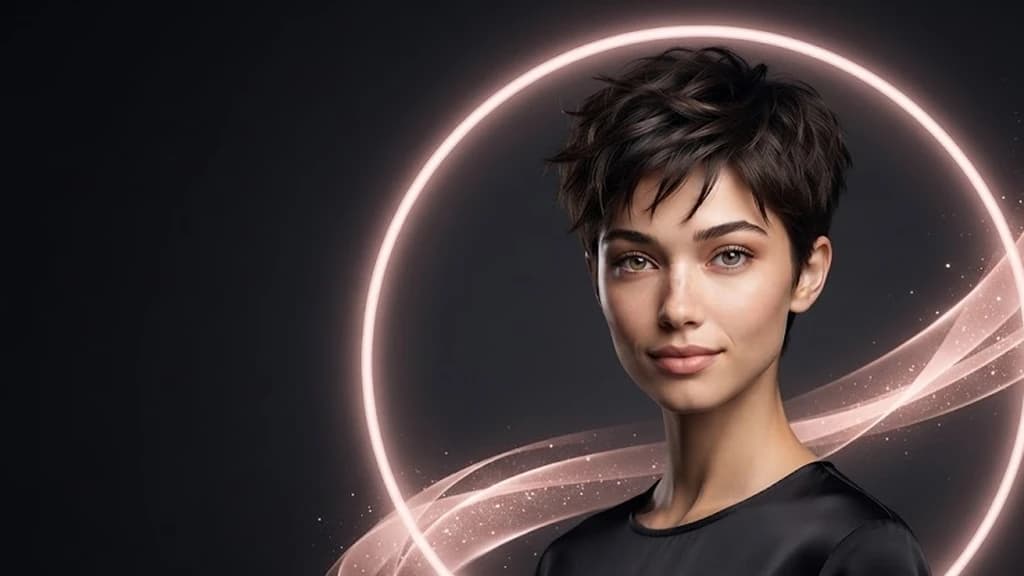
Short Haircuts AI previews are AI-generated illustrations to help you decide. Real salon results depend on your hair and your stylist. See our AI Disclaimer.