Short Hair vs Long Hair: The Honest Pros and Cons
The short answer
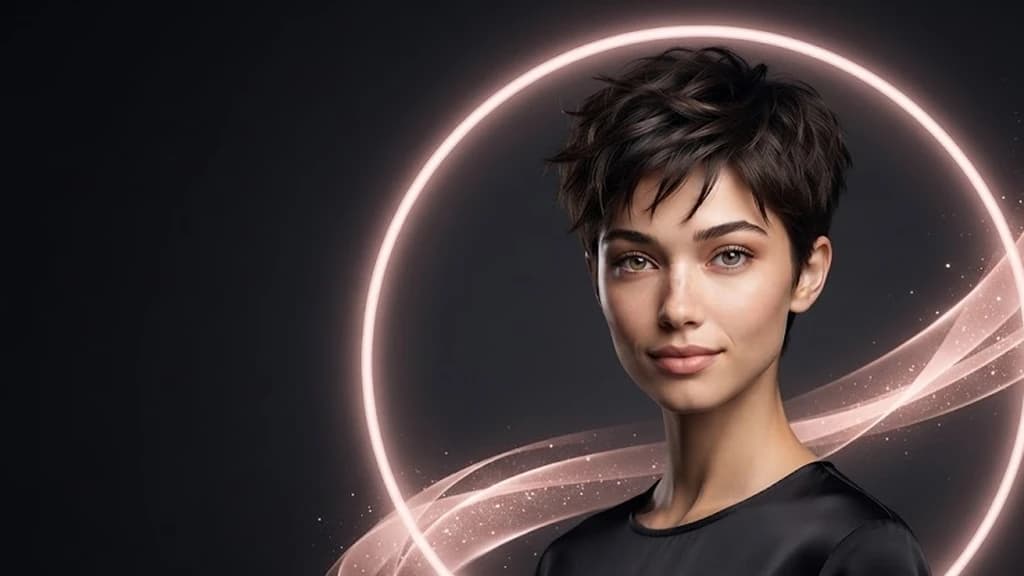
Short hair wins on daily styling time, upkeep and the fresh, put-together look it gives every morning, but it needs more frequent trims and offers fewer updo options. Long hair wins on versatility and low trim frequency, but takes longer to wash, dry and style. The honest answer depends on how much time you actually spend on your hair each day, not on which looks better.
There's no universally "better" length, only the one that fits your life, your hair type and how you actually want to spend your mornings. Short hair rewards you with speed and a polished look every day. Long hair rewards you with versatility and fewer salon visits. Both are lovely. The trick is matching the length to your real routine, not the fantasy version.
Here's the honest breakdown, without the usual hype, plus a way to see a short cut on your own face before you decide.
The honest pros and cons at a glance
Every length is a set of trade-offs. Short hair buys you time in the morning but asks for more frequent trims. Long hair asks for more time each day but forgives a skipped haircut. Neither is objectively easier; they're demanding in different places. This table lays out where each one genuinely wins.
| Consideration | Short hair | Long hair |
|---|---|---|
| Daily styling time | Faster to wash, dry and style | Longer to wash, dry and detangle |
| Trim frequency | Every 4-8 weeks to hold shape | Every 8-12+ weeks |
| Everyday polish | Looks "done" with little effort | Needs styling to look intentional |
| Updo and variety options | Fewer, but sharper looks | Ponytails, braids, buns, half-up |
| Product used | Less shampoo and conditioner | More product overall |
| Growing-out phase | Awkward-stage trims needed | Simply gets longer |
| Impact if it "goes wrong" | Higher stakes, slower to fix | Easier to hide or restyle |
Why short hair might be the right call
The biggest, most underrated benefit of short hair is time. A pixie or bob dries in a fraction of the time long hair does, and it reads as polished the moment you finish, no elaborate styling required. For anyone who's tired of blow-drying, that's not a small thing, it's your morning back.
Short hair also puts your face front and centre. With less hair to compete, your eyes, cheekbones and jawline get the attention, and a well-cut shape can look strikingly modern and confident. It feels like a fresh start, which is exactly why so many women reach for it after a big life change.
Stylist tip: if you're nervous, start with a longer bob rather than jumping straight to a cropped pixie. You get most of the low-maintenance payoff, and there's still enough length to tuck, tousle or clip while you get used to the change.
The honest cost? Short shapes rely on precise lines, so they need a trim every four to eight weeks to stay sharp. Skip a couple of appointments and the shape softens quickly. You're trading a shorter daily routine for a slightly busier salon calendar.
Why long hair might be the right call
Long hair's superpower is versatility. One length can become a sleek blowout, a messy bun, a braid, a high pony or a half-up in seconds, so your hair adapts to the occasion rather than the other way around. If you love changing your look day to day, length gives you the most raw material to work with.
It's also forgiving on the calendar. Because there's no crisp short shape to maintain, you can stretch trims to every couple of months without the cut looking neglected. For anyone who struggles to get to a salon regularly, that's a real, practical advantage.
The trade-off lives in your daily routine. Long hair takes longer to wash, condition, detangle and dry, and it needs at least a little styling to look intentional rather than simply left down. More length also means more product and more time under the dryer. The upkeep doesn't disappear; it just moves from the salon chair to your bathroom every morning.
Which is genuinely lower maintenance?
Here's the answer nobody likes: it depends on where you'd rather spend the effort. Short hair front-loads the maintenance into regular salon trims but frees up your daily routine. Long hair minimises salon visits but asks for more of your time every single day. "Low maintenance" isn't a length, it's a trade about when the work happens.
Be honest with yourself about two numbers. First, how many minutes do you truly spend on your hair on an average weekday? If it's already near zero, short hair rewards that beautifully. Second, how easily can you get to a salon every month or so? If regular appointments are a struggle, longer lengths are kinder.
Your hair type matters too. Fine hair often looks fuller and bouncier when it's shorter, while thick or very curly hair can feel lighter and more manageable with length removed. There's no single rule, but your texture will nudge the decision one way or the other.
How to decide without the regret
The single best thing you can do is stop imagining and start previewing. Face-shape and length "rules" are guidelines, not guarantees, and a photo of a model with different features tells you almost nothing about how a cut lands on you. Seeing it on your own face removes the guesswork that fuels most haircut regret.
Think about the version of you six weeks from now, not just the excited-in-the-salon-chair you. Will future-you happily book that trim, or resent it? Will you miss ponytails, or feel liberated without them? Answering those honestly matters more than any trend.
See a short cut on your own face first
If short hair is tempting but you're not sure, don't gamble on the chair. Upload a selfie and preview a bob, pixie, bixie or shag on your own photo, then compare the shapes side by side. Your face stays exactly the same; only the haircut changes.
It takes seconds, and it turns "I wonder if this would suit me" into a decision you can actually see. Whichever length you choose, choose it with your eyes open, and with a picture of the real you to look at.
See it on your own face
Upload a selfie and preview the pixie in seconds — your face stays unchanged.
Frequently asked questions
Is short hair really easier to maintain than long hair?
Day to day, yes. Short hair washes, dries and styles faster, and it looks intentional with far less effort. The trade-off is the salon calendar: short cuts need a trim every four to eight weeks to hold their shape, while long hair can stretch to every few months.
Does short hair make you look older or younger?
Neither, on its own. A soft, layered short cut with a little movement around the face tends to look fresh and youthful. What ages any length is the wrong shape for your face and heavy, flat or overly severe lines, not the length itself.
Will short hair suit my face shape?
Most face shapes can wear a short cut beautifully once the shape is adjusted for them, with layers, parting and face-framing pieces doing the flattering work. The only honest way to know is to see the proportions on your own features before you commit.
How do I decide between short and long hair before cutting?
Be honest about how many minutes you truly spend on your hair each morning, and how often you can get to a salon. Then preview a short cut on a photo of yourself so you are deciding from a real image, not a guess.
Preview these on your photo
Keep reading
Short Haircuts AI previews are AI-generated illustrations to help you decide. Real salon results depend on your hair and your stylist. See our AI Disclaimer.